
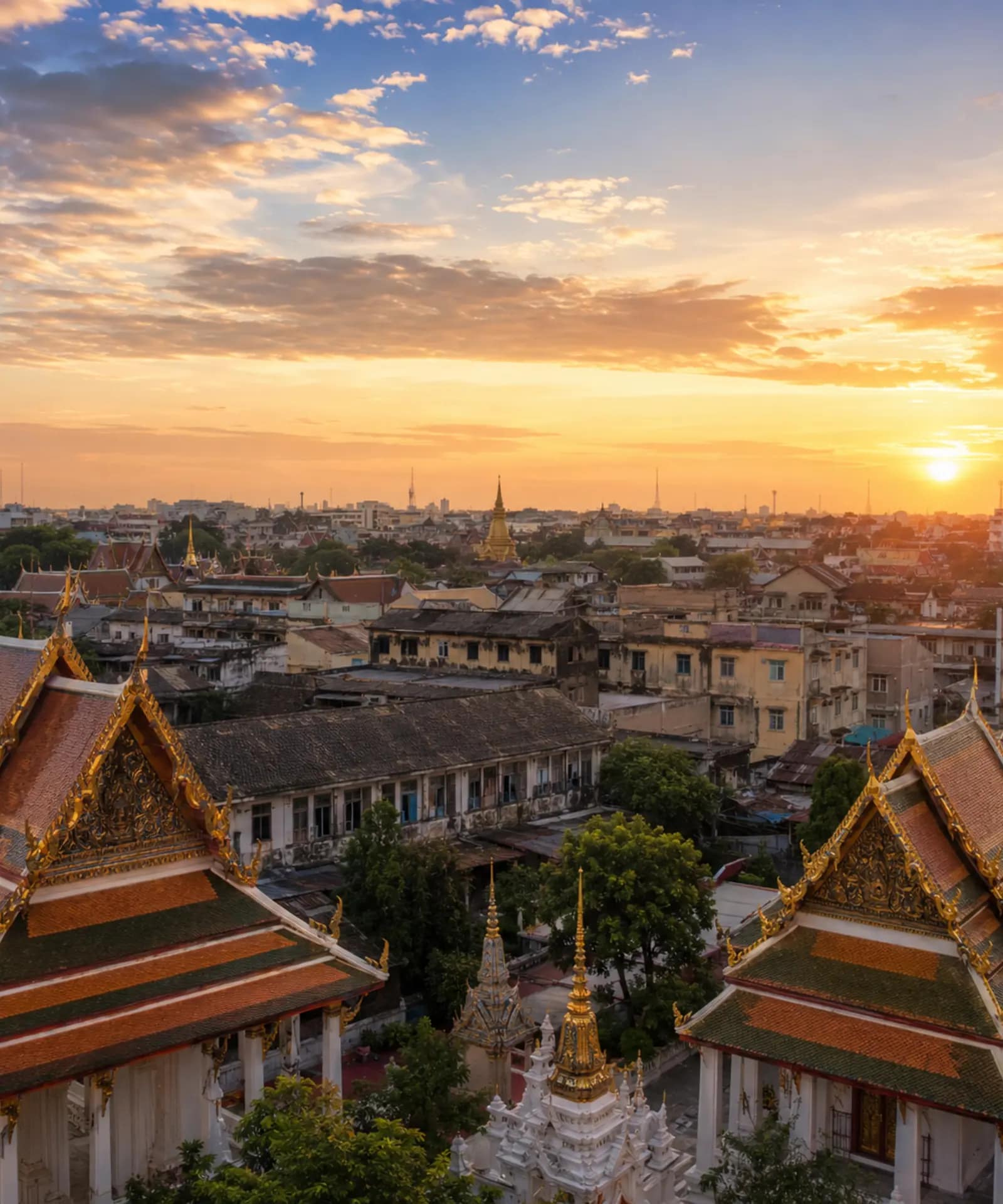
Bangkok Old City is the part of Thailand’s capital that I would tell every first-time visitor not to miss.
This is where gilded temple roofs rise above old shophouses, orange-robed monks pass busy market stalls and long-tail boats skim along the Chao Phraya River.
It can feel exciting, beautiful and slightly overwhelming all at once, which is exactly why a little planning makes such a difference.
How this review was produced: This is an independently researched hotel assessment based on the hotel’s official information, current booking listings and recent verified guest feedback. We have not personally stayed at this or these properties.
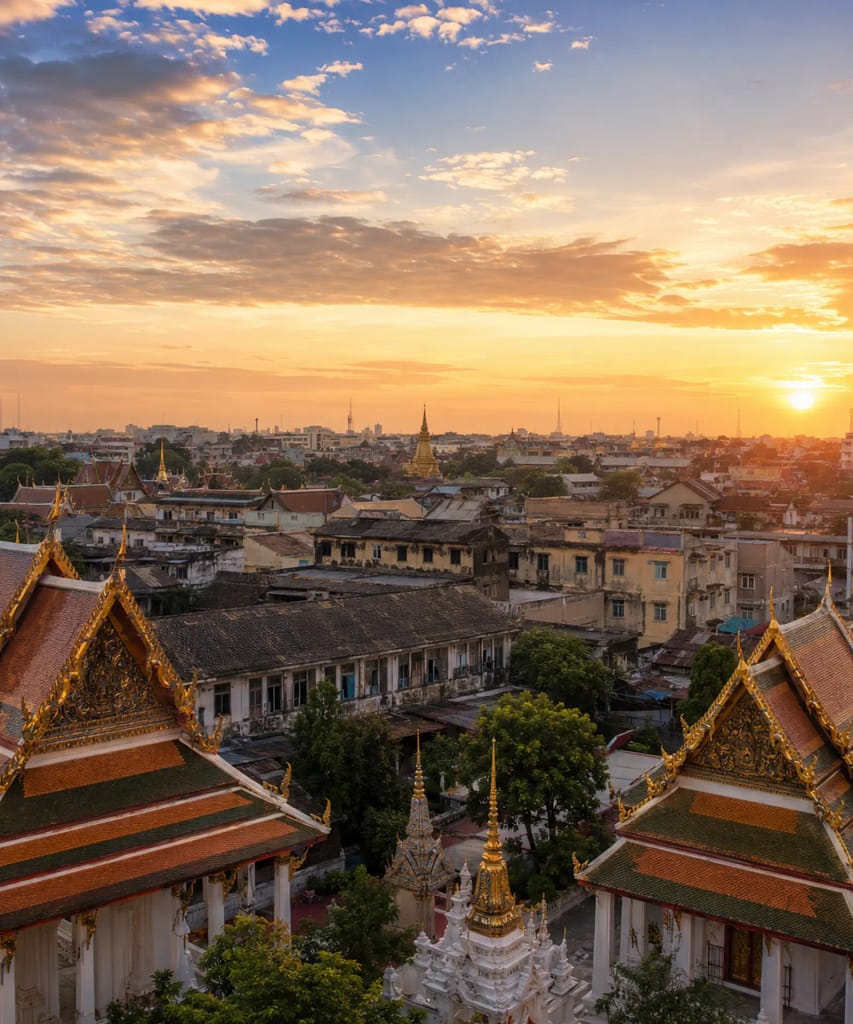
The historic centre is often called Rattanakosin, although you may also see names such as Old Bangkok, Bangkok Old Town and Rattanakosin Island.
It contains many of the city’s best-known sights, including the Grand Palace, Wat Phra Kaew, Wat Pho and the riverside view of Wat Arun.
Yet the area is much more than a checklist of famous temples.
I love Bangkok Old City because small details often become the most memorable parts of a day.
It might be the smell of grilled pork drifting from a side street, the sound of temple bells, a quiet canal bridge or the first cold drink after walking through the tropical heat.
This guide will help you enjoy those moments without spending half your visit wondering where to go next.
Bangkok Old City at a Glance
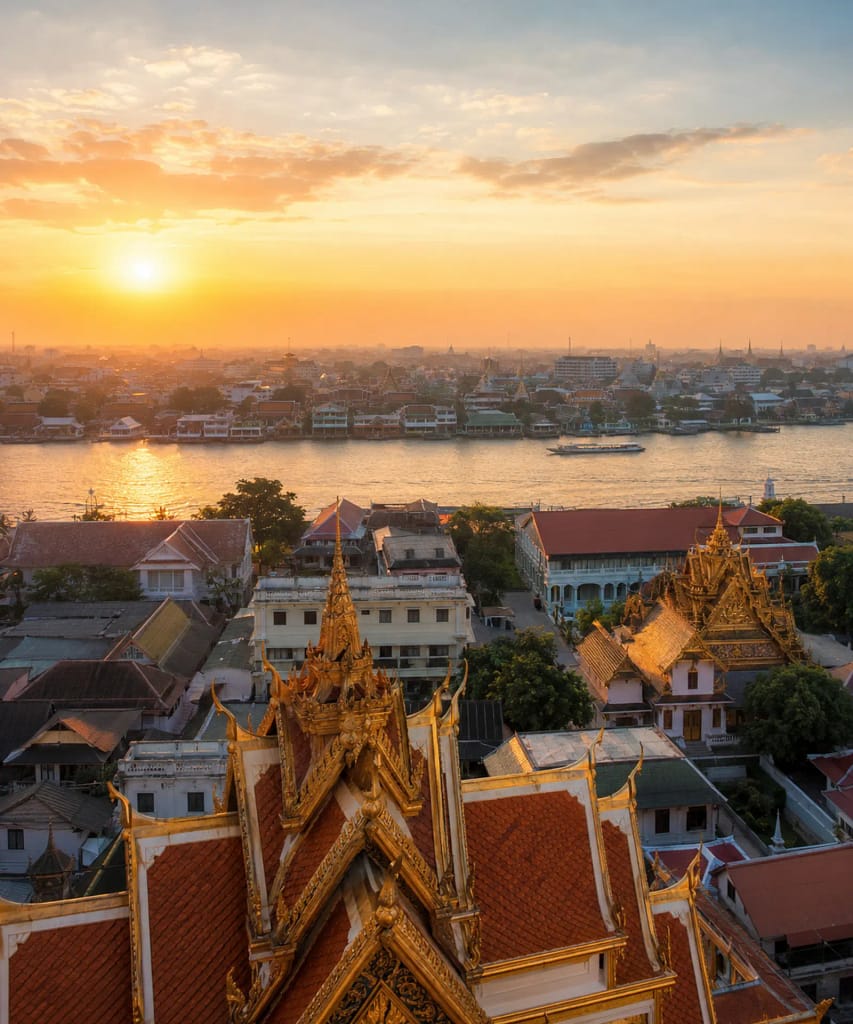
Bangkok Old City sits mainly within the Phra Nakhon district, beside the Chao Phraya River.
Rattanakosin Island was established as the royal and administrative heart of Bangkok after the capital moved here in 1782.
Canals and the river helped define and protect the original city, although today the word “island” is easy to overlook among the roads and buildings.
This is not a preserved old town where modern life has been pushed outside the gates.
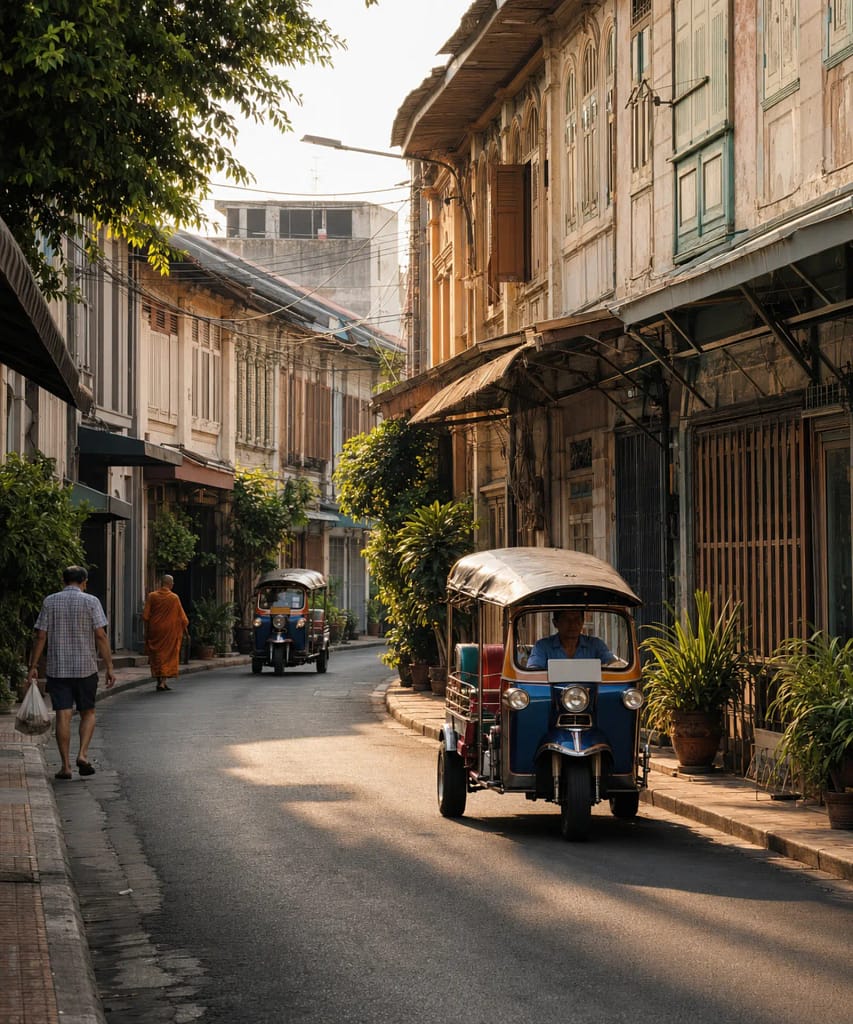
Government offices, schools, homes, cafés, repair shops, markets and religious sites all share the same streets.
That living character is one of the area’s greatest strengths, but it also means traffic, heat, crowds and uneven pavements are part of the experience.
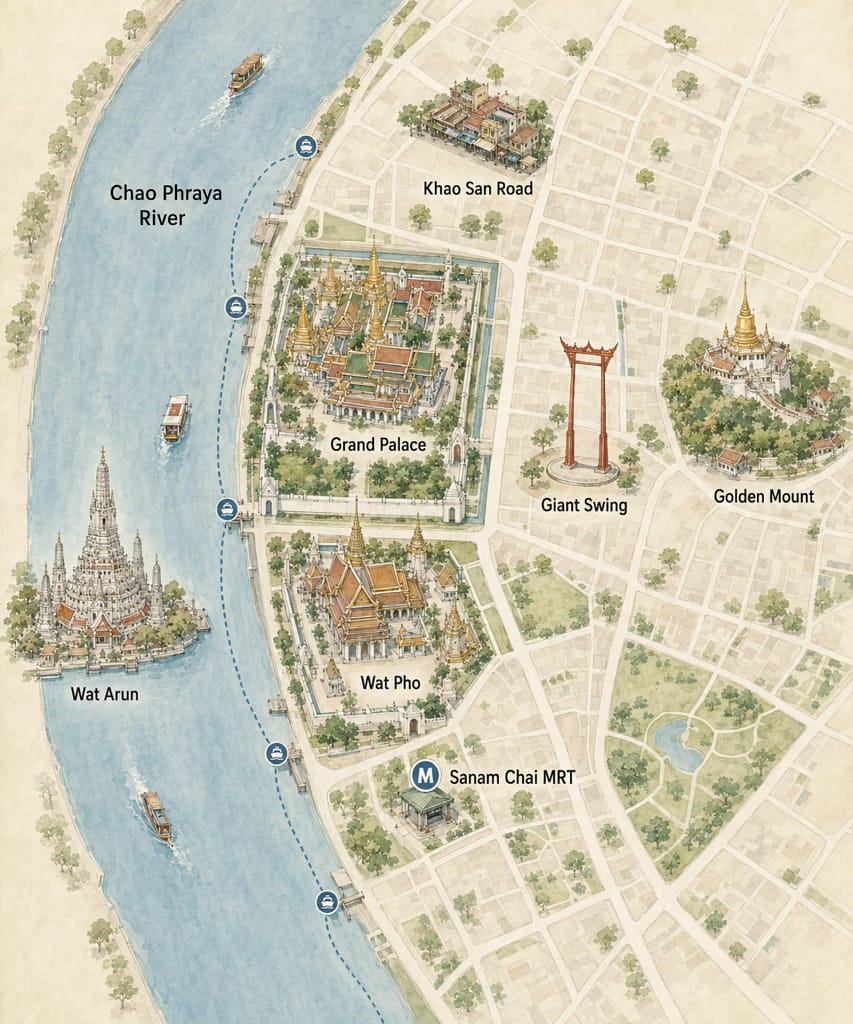
Bangkok Old City does not have one official entrance or a single compact pedestrian zone.
Its main attractions are spread across several neighbourhoods, so distances that look short on a map can take longer than expected.
I recommend approaching the area as a collection of connected districts rather than trying to cover every pin in one exhausting march.
Is Bangkok Old City the Same as Khao San Road?
Khao San Road lies within the wider old-city area, but it is only one small and unusually tourist-focused part of it.
Its hostels, bars, massage shops and street stalls create a completely different atmosphere from the royal district around the Grand Palace.
Staying near Khao San can be convenient, but visiting Khao San alone is not the same as exploring Bangkok Old City.
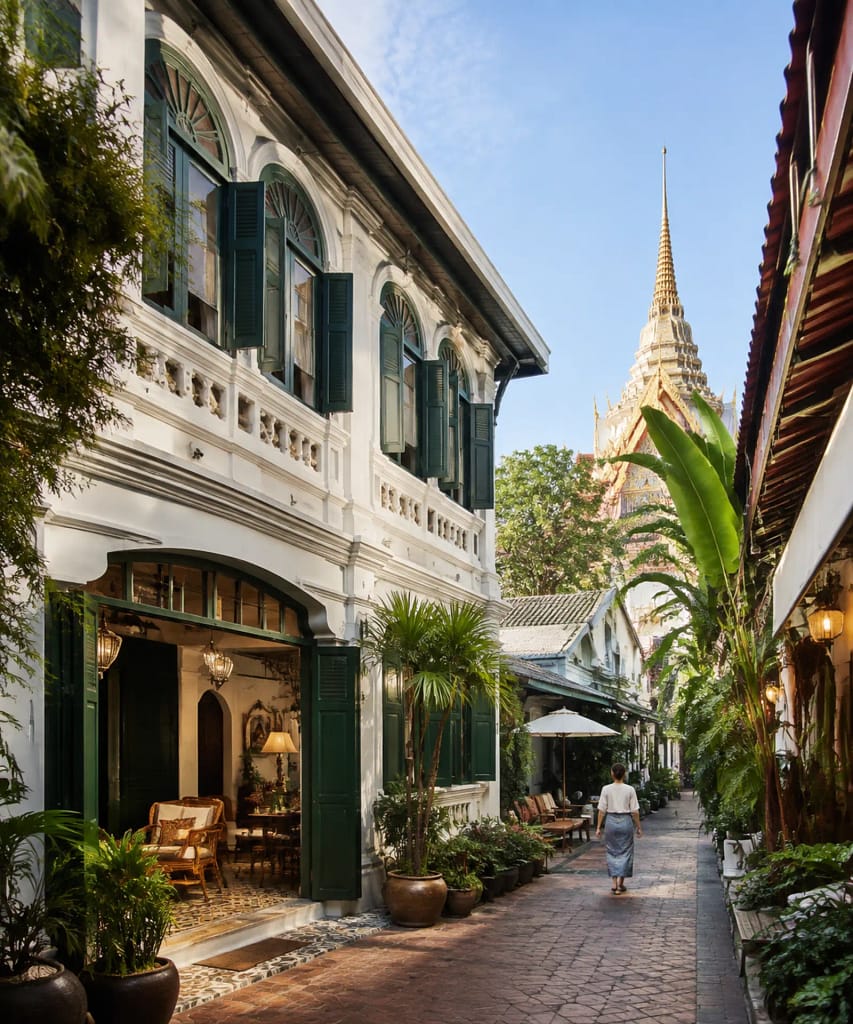
The nearby streets of Rambuttri and Phra Athit tend to feel more relaxed.
They provide cafés, restaurants and useful accommodation while keeping you close to the river and the old royal quarter.
If lively evenings matter to you, this north-western section can make a practical base.
How Many Days Do You Need?
You can see the Grand Palace, Wat Pho and Wat Arun in one well-planned day, but that gives you only the headline version.
Two days are better if you also want the Golden Mount, museums, markets, neighbourhood walks and time beside the river.
Three days allow you to explore at a slower pace and include nearby Chinatown without turning the visit into a race.
If your wider Bangkok itinerary is short, devote at least one full morning and afternoon to Bangkok Old City.
Begin early, build in a proper lunch break and resist adding too many temples. The heat affects energy levels far more than most first-time visitors expect.
Planning your Bangkok stay??
Compare hotels near the Grand Palace, the river and Khao San Road.
The Best Time to Visit Bangkok Old City
Bangkok is hot throughout the year, so the best time of day often matters more than the month.
I aim to reach the first major attraction close to opening time. The air is usually more comfortable, queues may be shorter and the softer light is better for photographs.
November to February generally brings less rain and somewhat lower humidity, making it the most comfortable season for walking.
It is also a popular travel period, so accommodation and famous attractions can be busier.
March to May is normally hotter, while the wetter months often bring intense showers rather than continuous all-day rain.
Weather patterns can vary, and even a dry-looking morning can change quickly.
A small folding umbrella is useful for both sunshine and rain. I would also carry water, sunscreen and a light layer that helps with temple dress requirements.
What Time Should You Start?
For a temple-focused day, I suggest arriving at the Grand Palace shortly before it opens.
Its official visitor schedule currently lists daily opening from 8:30 am to 4:30 pm, with ticket sales ending at 3:30 pm and admission priced at 500 baht.
Ceremonies and special events can affect access, so check the official page again shortly before visiting.
Starting early also leaves flexibility if a queue, sudden shower or longer-than-expected lunch slows you down.
By early afternoon, exposed courtyards can feel fiercely hot.
A sensible itinerary places the most demanding sightseeing first and leaves river journeys or air-conditioned museums for later.
When Is Bangkok Old City Most Crowded?
Weekends, public holidays and major Thai religious days can bring extra visitors.
The Grand Palace is a major national landmark as well as a tourist attraction, so events may alter normal arrangements.
Large tour groups commonly arrive during the morning, although there is no reliably empty time at the most famous sites.
I would not postpone a visit simply because the area may be busy.
Instead, accept that the main landmarks attract crowds and balance them with quieter streets, small temples or a riverside rest. That contrast often improves the day.
How to Get to Bangkok Old City
Bangkok Old City is not directly served by the BTS Skytrain, which causes some confusion for first-time visitors staying around Sukhumvit, Silom or Siam.
The MRT Blue Line, river boats, taxis and buses fill the gap. The best option depends on your starting point and the first attraction on your itinerary.
I usually favour a combination of MRT and walking because it avoids unpredictable road traffic.
River boats provide the most atmospheric arrival and can be extremely convenient from riverside locations.
Taxis are useful early in the morning, with luggage or when travelling as a small group, but journeys can slow dramatically at peak times.
Arriving by MRT
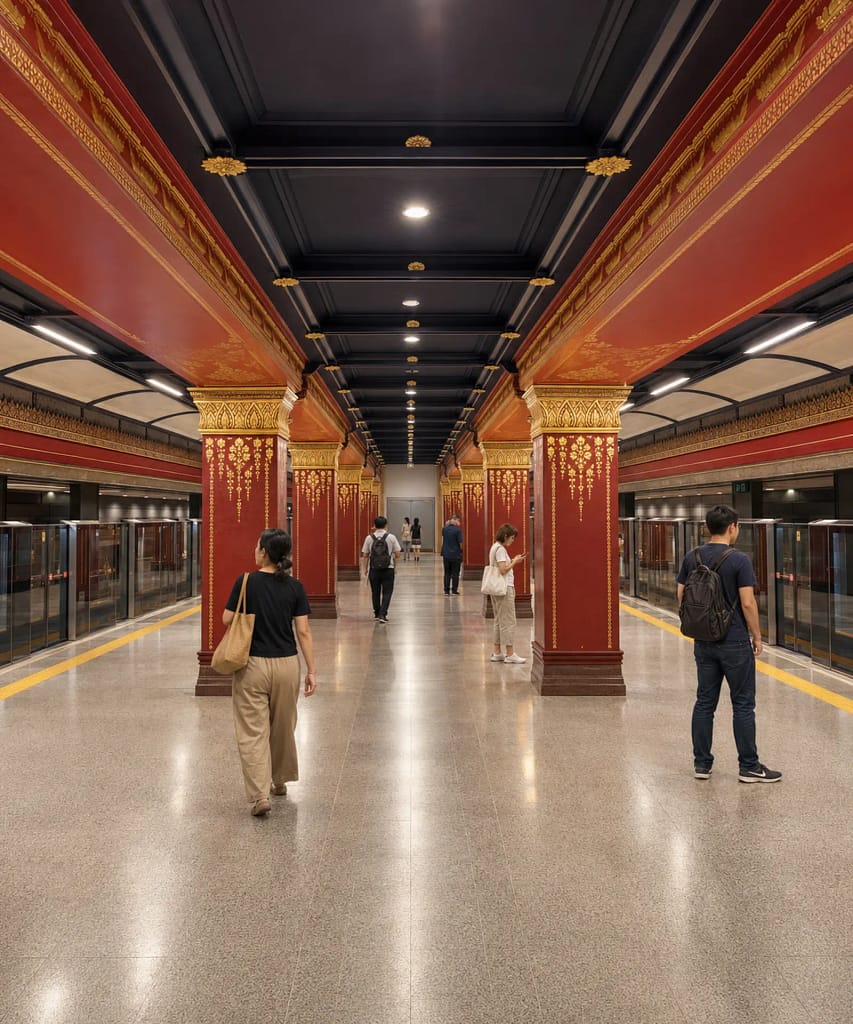
Sanam Chai station on the MRT Blue Line is the most useful rail stop for Wat Pho, Museum Siam, Pak Khlong Talat flower market and the southern side of the Grand Palace.
Sam Yot works well for the Giant Swing, Wat Suthat and the eastern old quarter.
Wat Mangkon serves Chinatown and can be incorporated into a longer walking or food itinerary.
The official MRT route information identifies the Blue Line stations and provides current operating details.
Check the route planner for your exact journey, particularly if you need to transfer from the BTS or Airport Rail Link.
Contactless and ticketing arrangements can change, so I avoid presenting one payment method as universally available.
From Sanam Chai, Wat Pho is within comfortable walking distance for most visitors.
The Grand Palace is farther north, but the route passes historic streets and food stalls.
Keep a map open because pavements and crossings do not always follow the most obvious straight line.
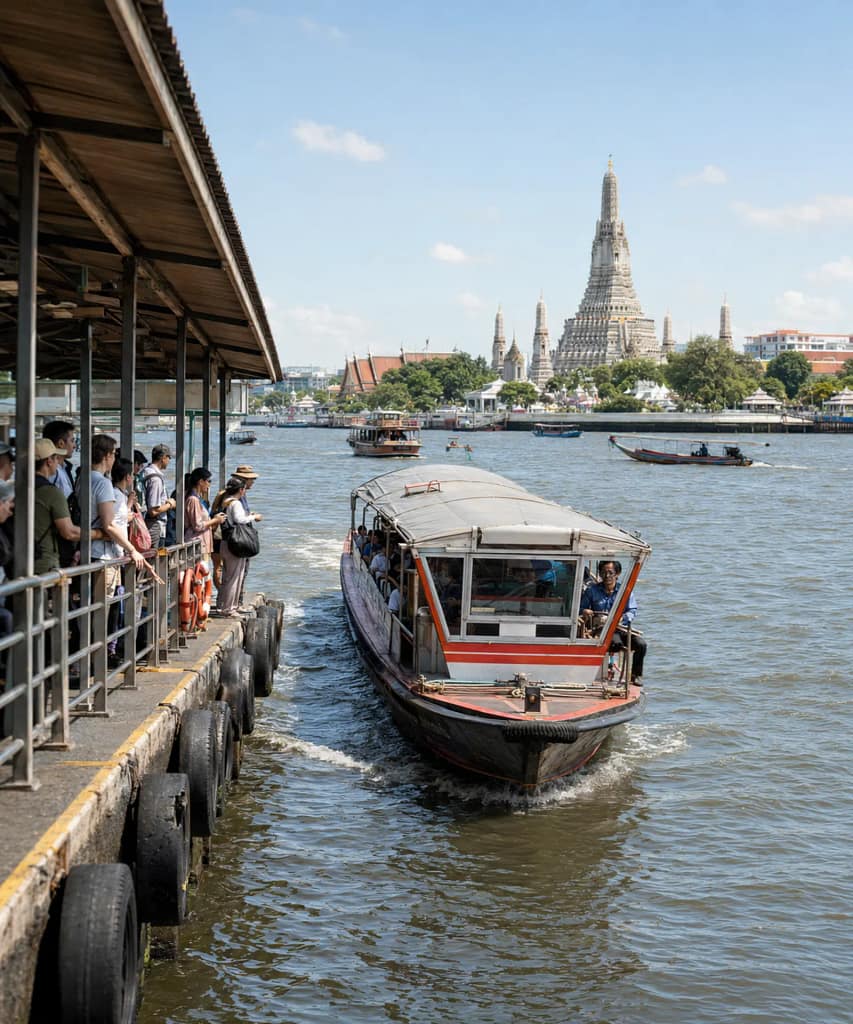
Arriving by River Boat
The Chao Phraya River can turn transport into part of the sightseeing.
Public boats call at piers near several old-city attractions, while the short cross-river ferry connects the Wat Pho side with Wat Arun.
Routes, flags, fares and stopping patterns vary, so confirm the service at the pier rather than relying entirely on an old online article.
If you are staying near a riverside pier or close to Saphan Taksin, the boat can be a memorable way to approach Bangkok Old City.
Allow extra time to identify the correct queue and boat. Pier staff are accustomed to visitors, but knowing the name of your destination pier helps.
Hold on when boarding and wait for staff instructions. Boats may spend only a short time at each stop, and the platform can move underfoot.
Keep cameras and phones secure rather than leaning over the edge for a photograph.
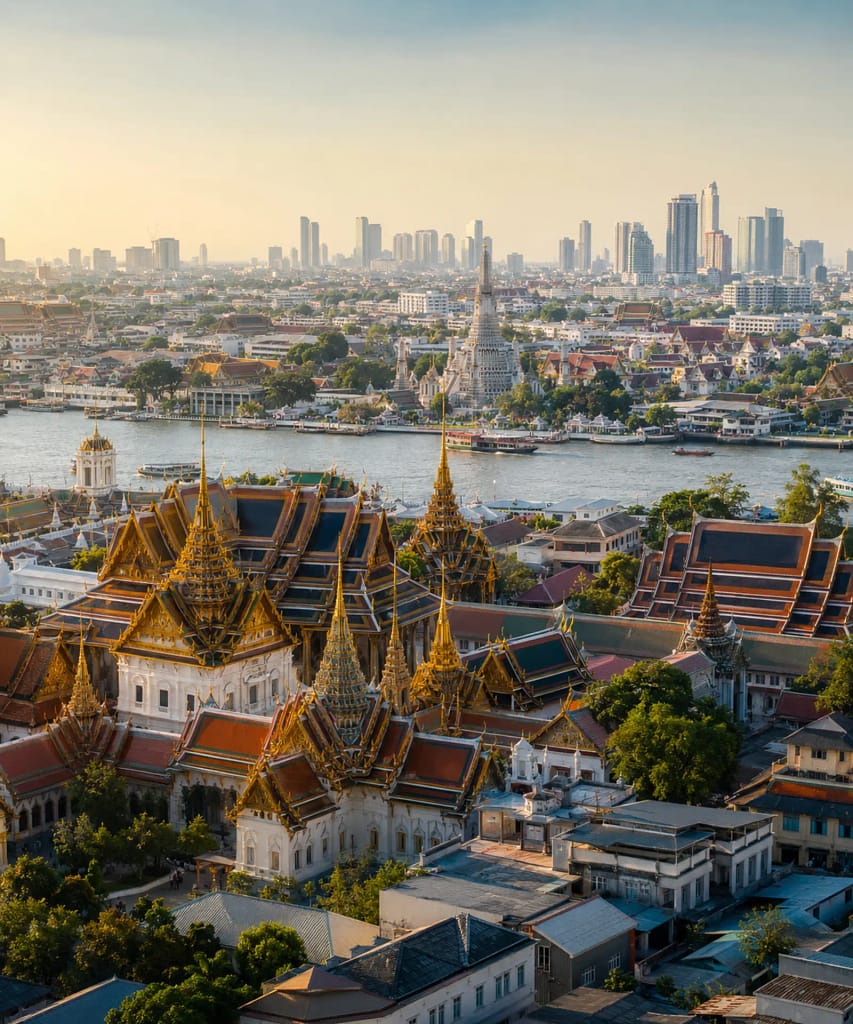
Taking a Taxi or Ride-Hailing Car
A metered taxi can be convenient, especially before the roads become busy.
Ask to use the meter and have your destination written in Thai or pinned on a map. “Bangkok Old City” is a large area, so give the driver a specific landmark, entrance or hotel.
Ride-hailing apps reduce some communication problems because the destination is entered in advance.
Pick-up points can still be difficult beside crowded attractions or roads with stopping restrictions.
Move to a quieter side street if the driver cannot safely reach the main entrance.
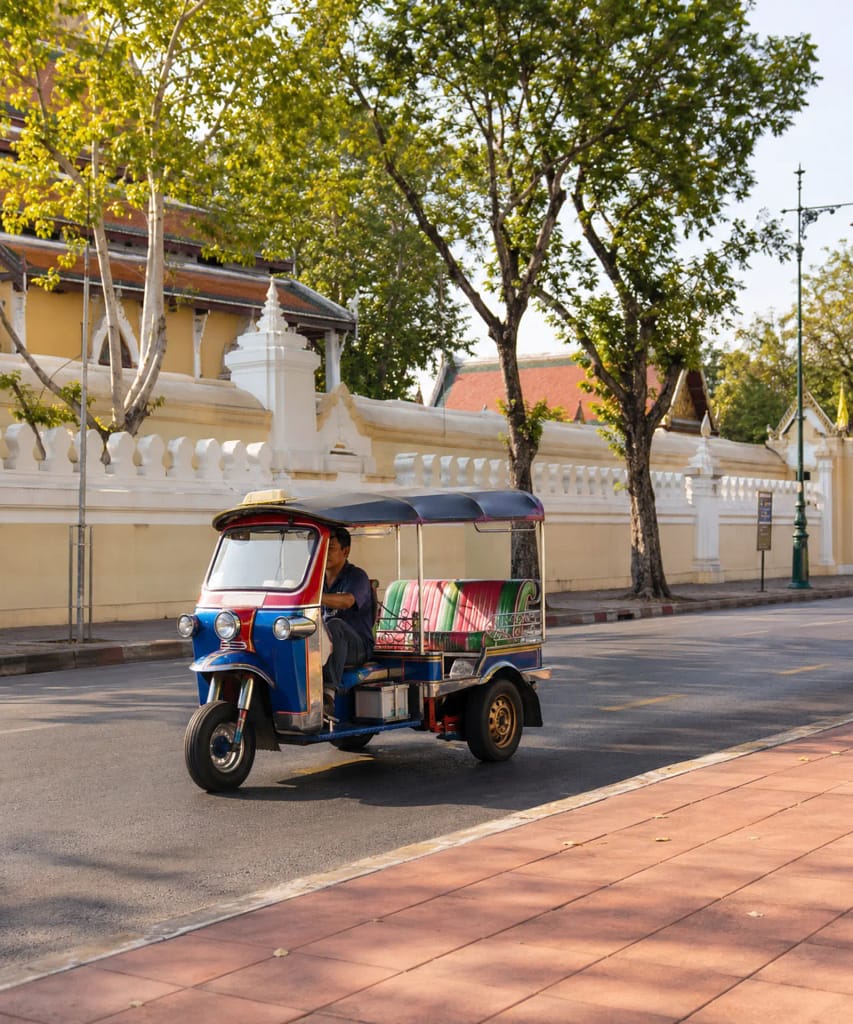
Should You Take a Tuk-Tuk?
A tuk-tuk ride can be fun, but I treat it as an experience rather than the default way to get around.
Agree the price, destination and number of passengers before setting off.
If a very cheap journey includes stops at gem shops, tailors or travel agencies, decline and choose another vehicle.
Short journeys in light traffic are the most enjoyable.
Bangkok’s sun and vehicle fumes make longer rides less appealing than they look in photographs.
There is no meter, so compare the quoted fare with a taxi or app before accepting.
Getting Around Once You Arrive
Walking is the best way to notice Bangkok Old City, but it is not the easiest walking environment.
Pavements can be narrow, broken, blocked by stalls or interrupted by busy roads.
The area is relatively flat, yet heat and humidity make every kilometre feel longer.
I break the day into clusters. The Grand Palace and Wat Pho naturally belong together, while Wat Arun is reached by a short ferry.
Wat Suthat, the Giant Swing and the Golden Mount form another useful group, with a taxi, tuk-tuk or longer walk bridging the gaps.
Google Maps is useful but should not replace what you see in front of you.
An indicated entrance may be closed, and the shortest route may involve an awkward crossing.
Follow official signs and use pedestrian crossings or footbridges where available.
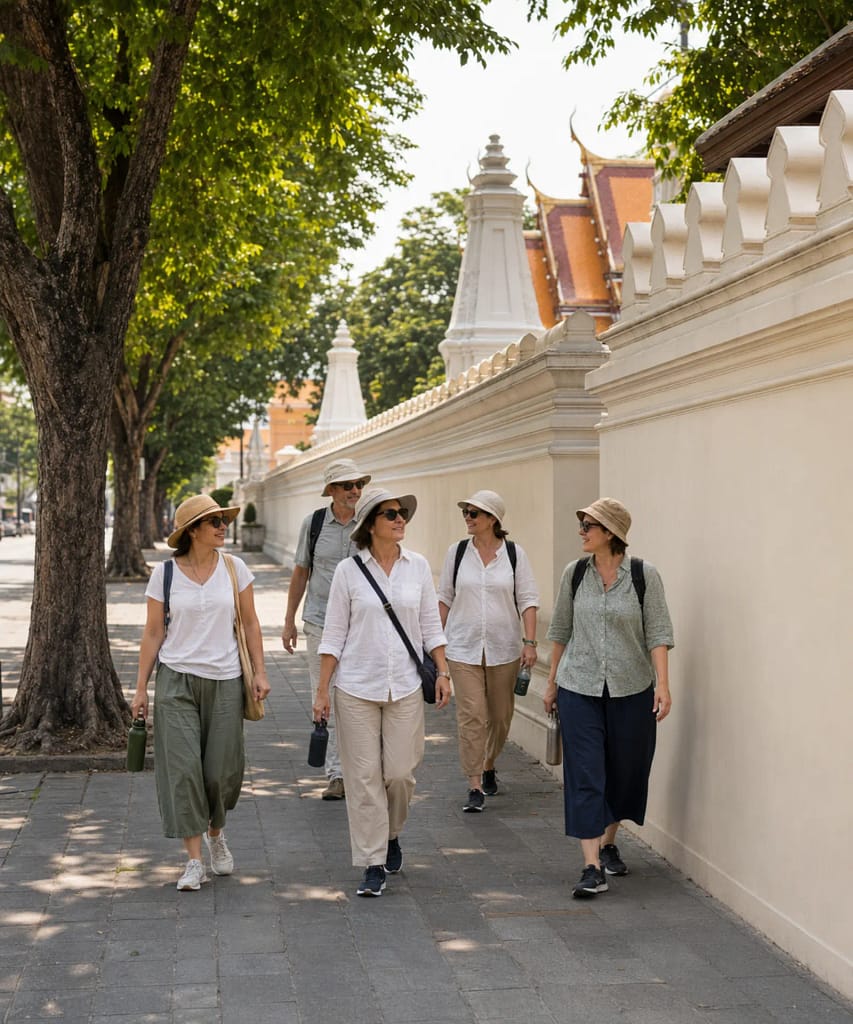
A Realistic Walking Pace
Do not estimate your schedule using distance alone. Temple visits involve security checks, ticket queues, removing shoes and stopping to understand what you are seeing.
A ten-minute map estimate can easily become twenty minutes after photographs, crossings and a cold-drink stop.
Plan fewer attractions than you think you can manage. I would rather spend an unrushed hour at Wat Pho than collect six hurried exterior photographs.
Bangkok Old City rewards attention to courtyards, murals, doorways and daily life between the headline sights.
Accessibility Considerations
Accessibility varies considerably across the historic area. Busy pavements, kerbs, heat, boat boarding and steps can create difficulties for travellers with reduced mobility.
Major attractions may have accessible routes or assistance, but historic layouts mean not every area will be equally easy to reach.
Contact the attraction directly before your visit if you need step-free access or specific facilities.
A private car or taxi between sights may be more practical than a walking itinerary.
Build in shaded rest stops and avoid assuming that every pier will suit a wheelchair or walking aid.
The Essential Places to Visit
The most famous landmarks deserve their reputation, but attempting all of Bangkok Old City in one day usually leads to temple fatigue.
Choose two or three major sites and add smaller experiences around them.
This creates a varied day rather than a sequence of ticket counters and gilded halls.
The Grand Palace and Wat Phra Kaew
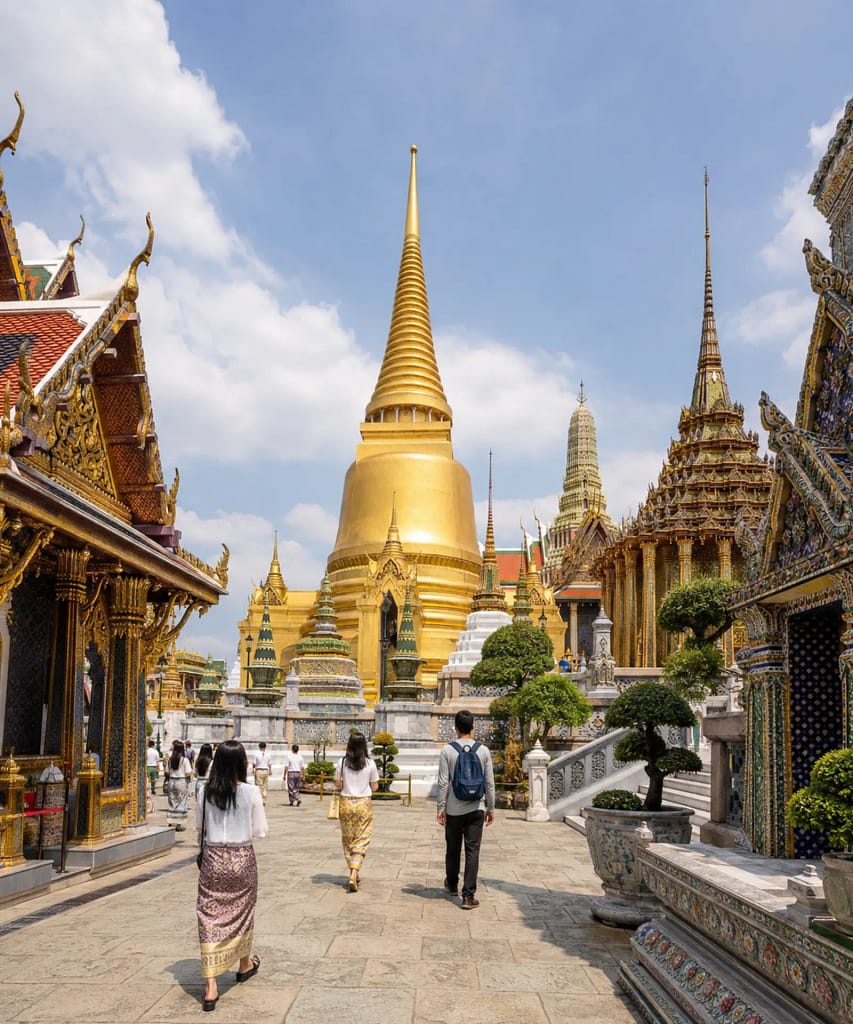
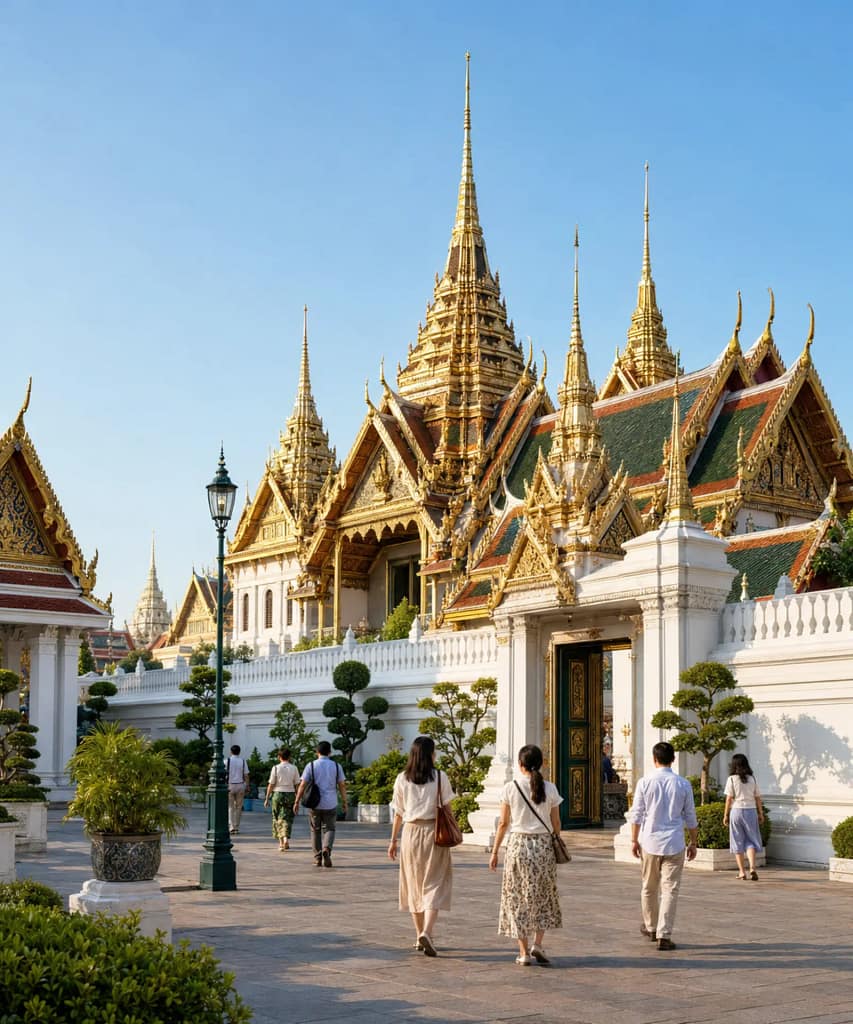
The Grand Palace is the visual centrepiece of Bangkok Old City.
Established with the new capital in 1782, the complex combines royal, ceremonial and religious importance.
Within its grounds, Wat Phra Kaew houses the revered Emerald Buddha.
This is the attraction where arriving early matters most.
Security checks, dress requirements and crowds can make the visit slower than expected.
Allow at least two hours if you want to appreciate the architecture and murals rather than simply walking through.
Dress rules are enforced. Shoulders and knees must be covered, and very tight, transparent or torn clothing is unsuitable.
Carrying a proper lightweight layer is safer than expecting a borrowed garment or nearby seller to solve the problem.
Photography restrictions apply in certain areas, particularly inside sacred buildings.
Watch for signs and follow staff instructions.
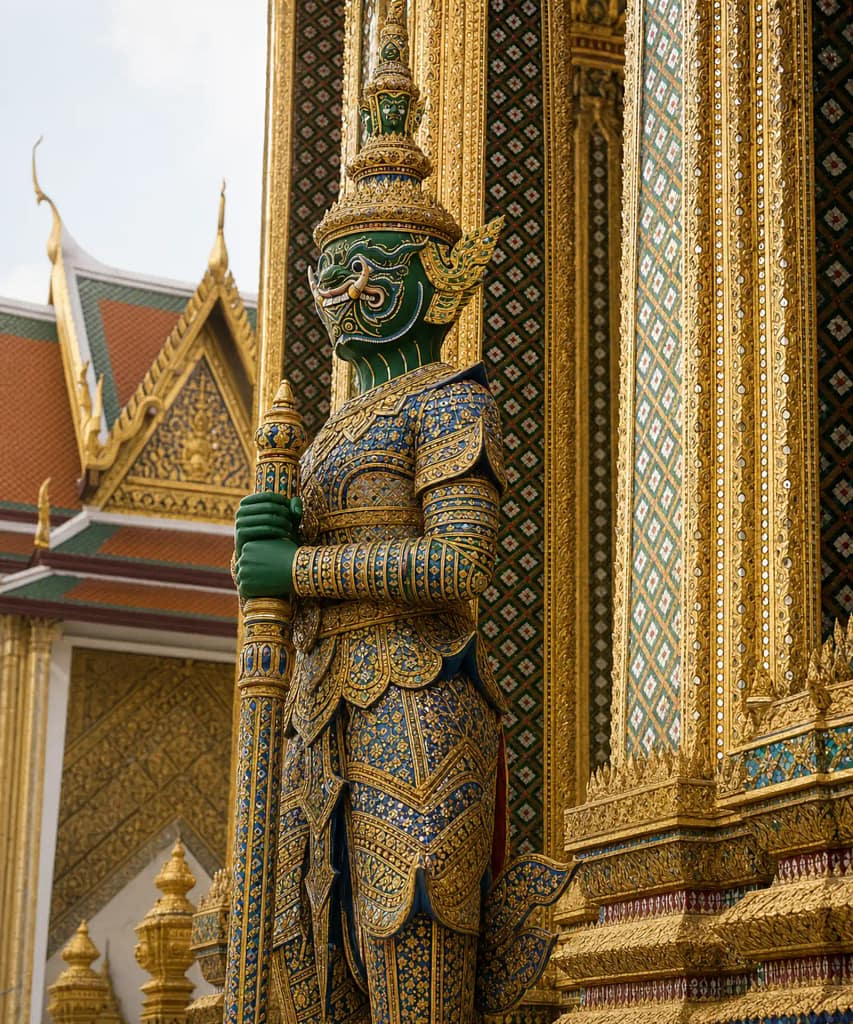
Speak quietly, do not point your feet towards Buddha images and never climb on religious structures for a photograph.
Wat Pho and the Reclining Buddha
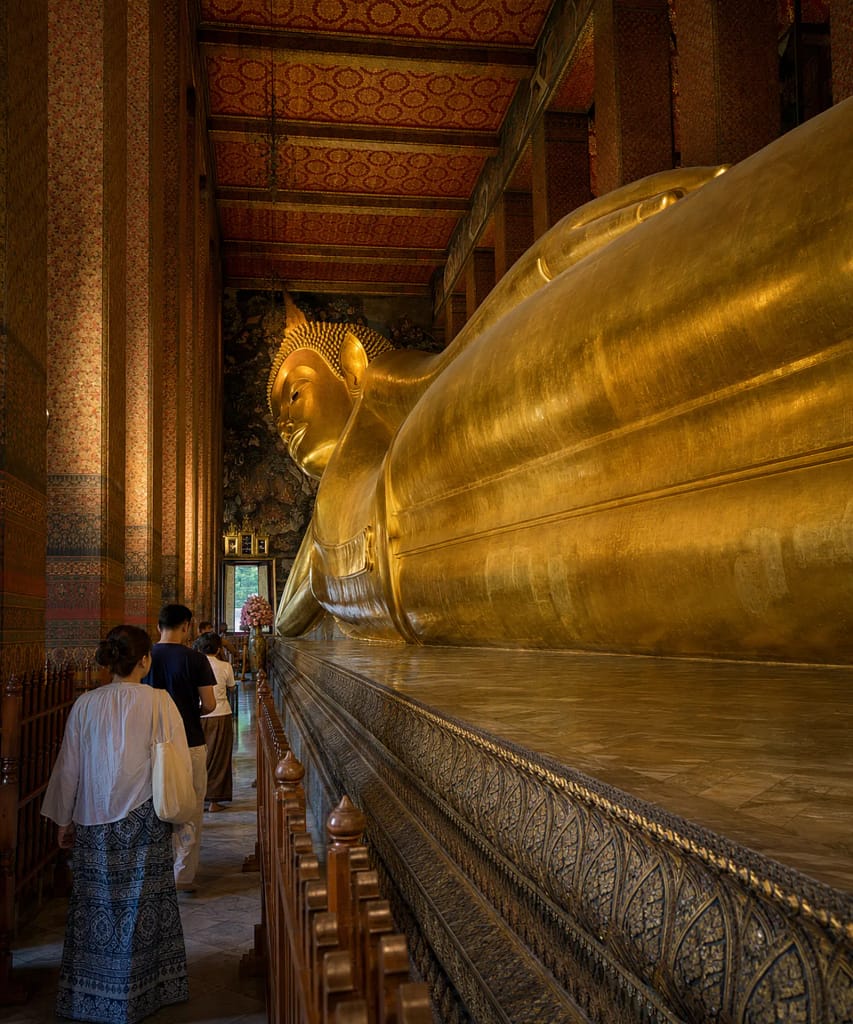
Wat Pho is one of my favourite major temples because there is much more to explore beyond its enormous Reclining Buddha.
Peaceful courtyards, colourful chedis, inscriptions and traditional architecture reward a slower visit.
It is also closely associated with Thai traditional medicine and massage education.
The official Wat Pho visitor plan currently states opening hours of 8:00 am to 7:30 pm and an admission fee of 300 baht.
These details may change, so verify them before publishing or travelling.
The same official page provides current information about massage services.
Wat Pho is close enough to the Grand Palace to visit both on foot.
I prefer seeing the Grand Palace first, then moving to Wat Pho when I can slow down.
Give yourself time to walk beyond the busiest Reclining Buddha hall.
Wat Arun
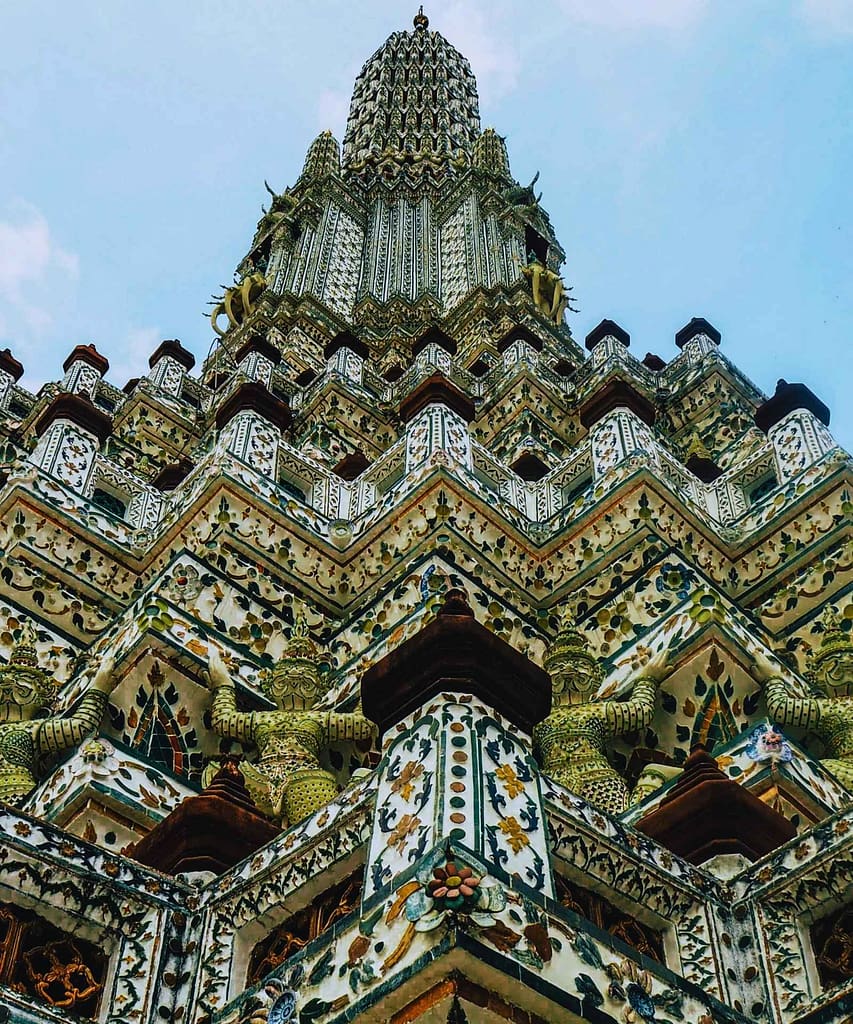
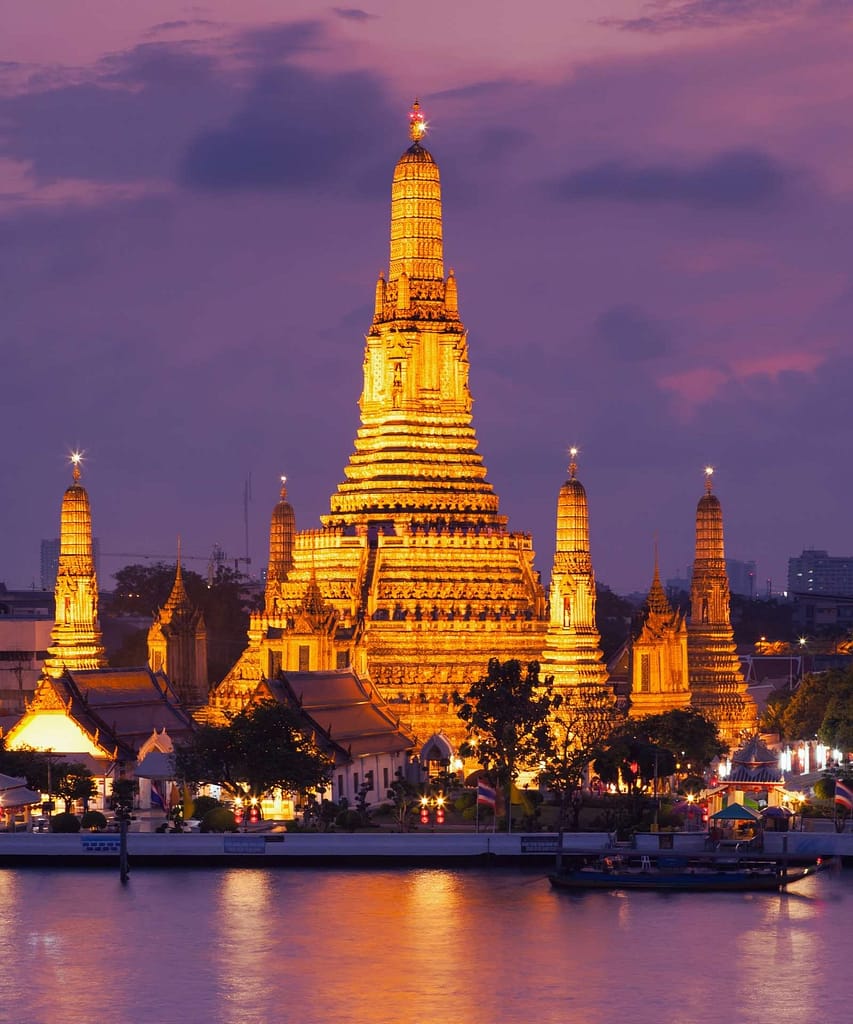
Wat Arun stands on the west bank of the Chao Phraya, directly across from the old royal district.
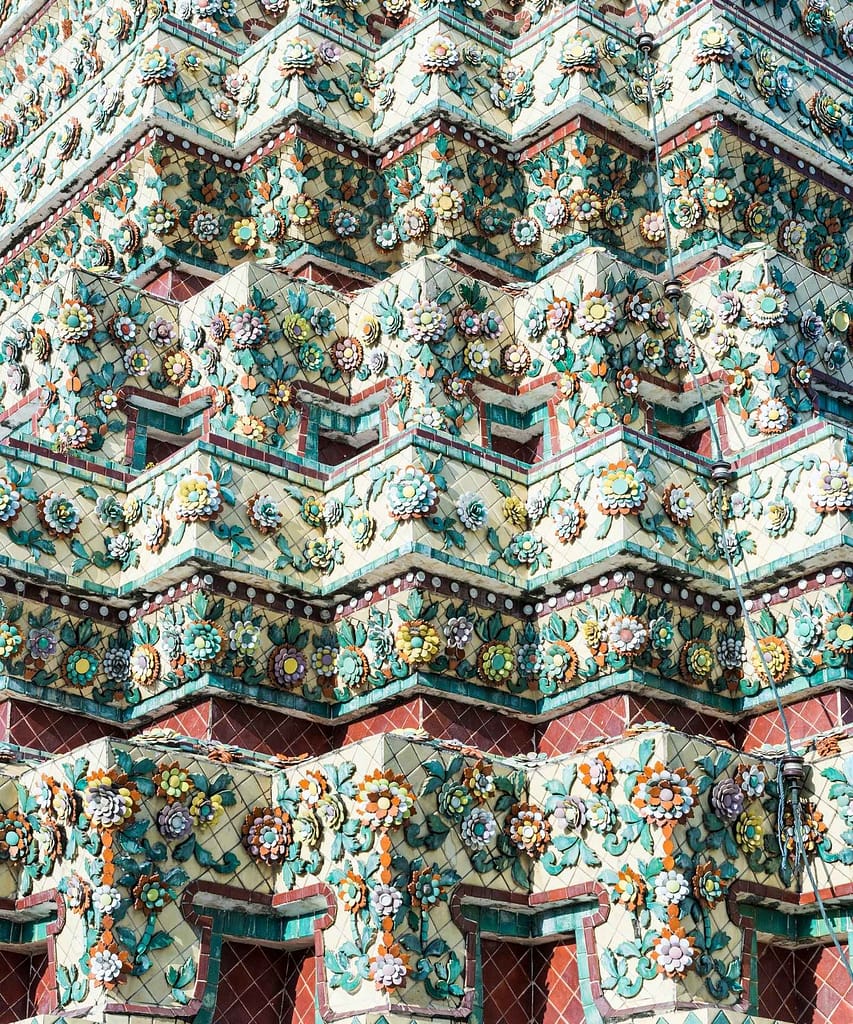
Its central prang, decorated with porcelain and ceramic pieces, is one of Bangkok’s most recognisable sights.
The short ferry trip across the river adds welcome variety to a temple day.
The light can be harsh around midday, and the exposed grounds become hot.
Late afternoon often provides a more comfortable and photogenic visit, subject to current opening hours.
Steps on the monument are steep, so use the handrails and wear secure footwear.
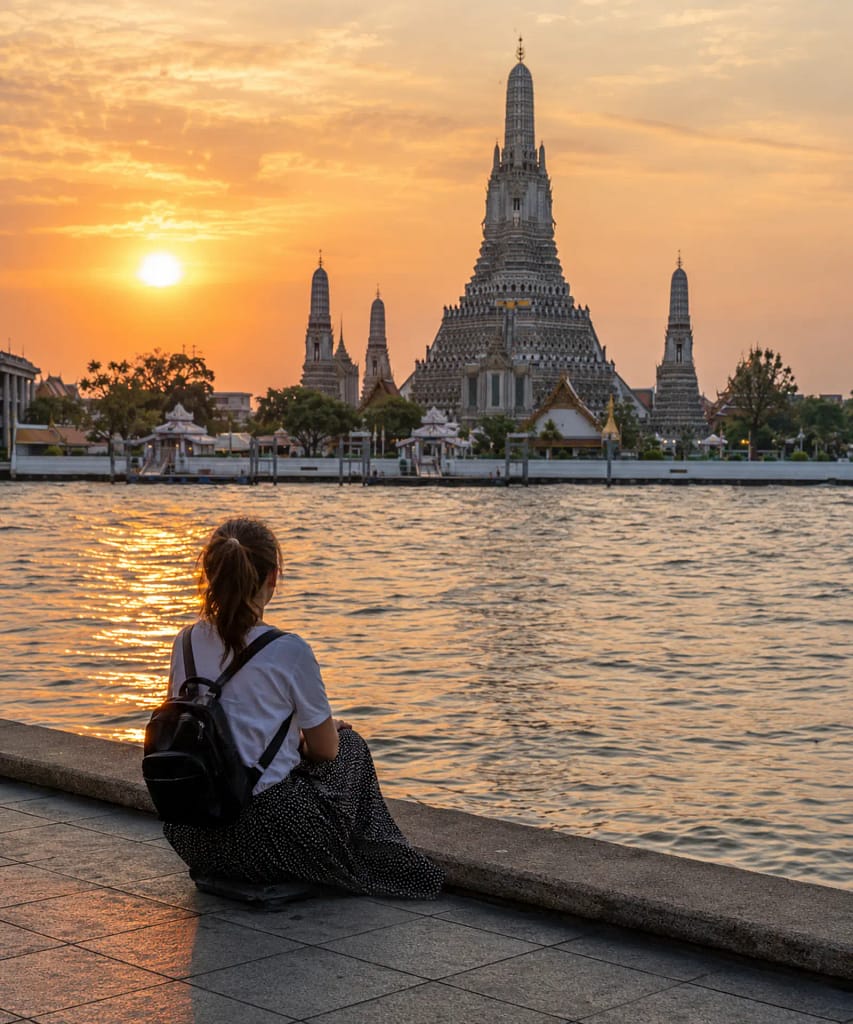
Even if you decide not to enter, seeing Wat Arun from the opposite riverbank around sunset is worthwhile.
Riverside cafés and public viewpoints provide different angles.
Do not assume every waterfront terrace is free to access, and order something if you use a business’s seating.
The Giant Swing and Wat Suthat
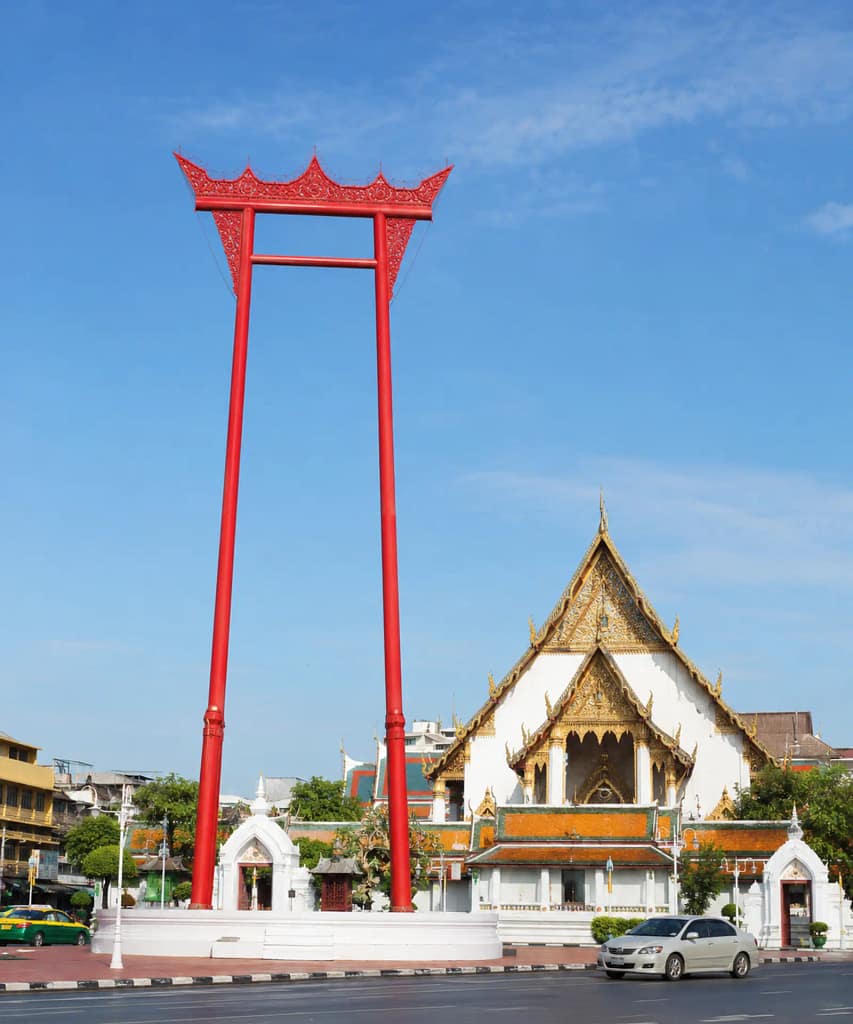
The red Giant Swing is an unmistakable landmark east of the Grand Palace.
It once formed part of an important Brahmin ceremony and now creates one of the old quarter’s boldest street views.
Directly beside it, Wat Suthat offers an impressive and often calmer temple experience.
Wat Suthat is known for its elegant main hall, murals and large Buddha image.
Because many rushed itineraries focus only on the riverside trio, this part of Bangkok Old City can feel more spacious.
It fits naturally with a visit to nearby lanes specialising in religious objects and traditional crafts.
The Golden Mount at Wat Saket
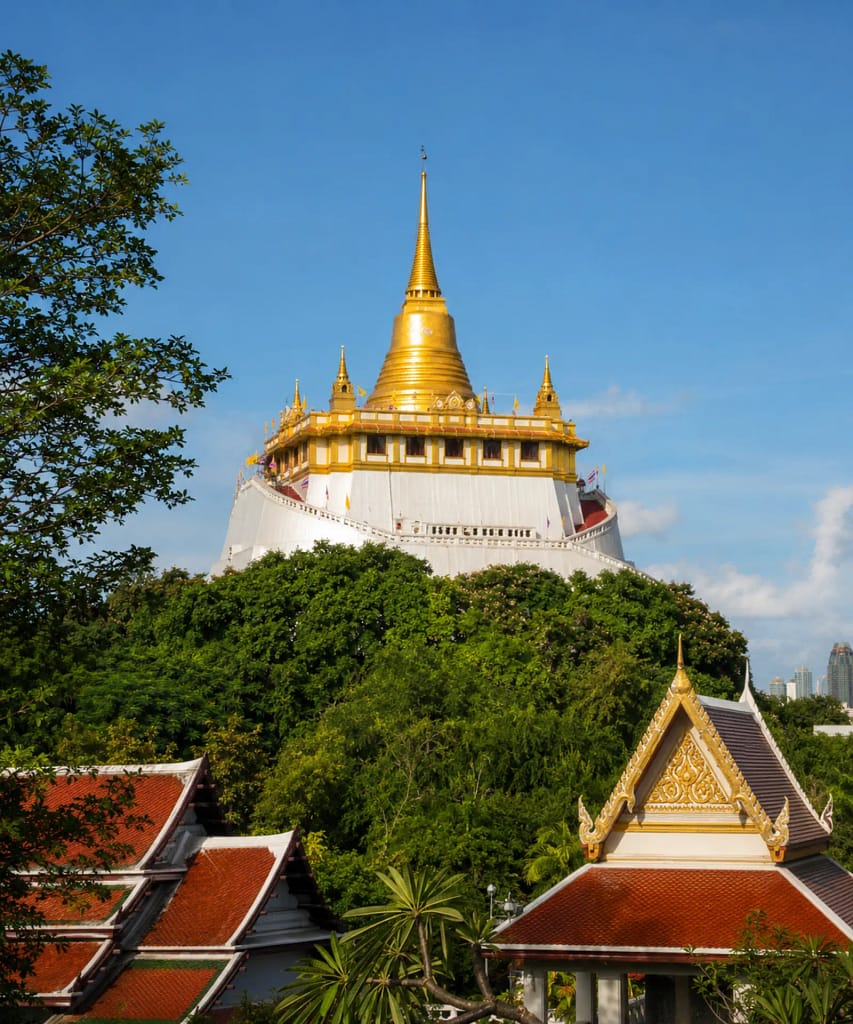
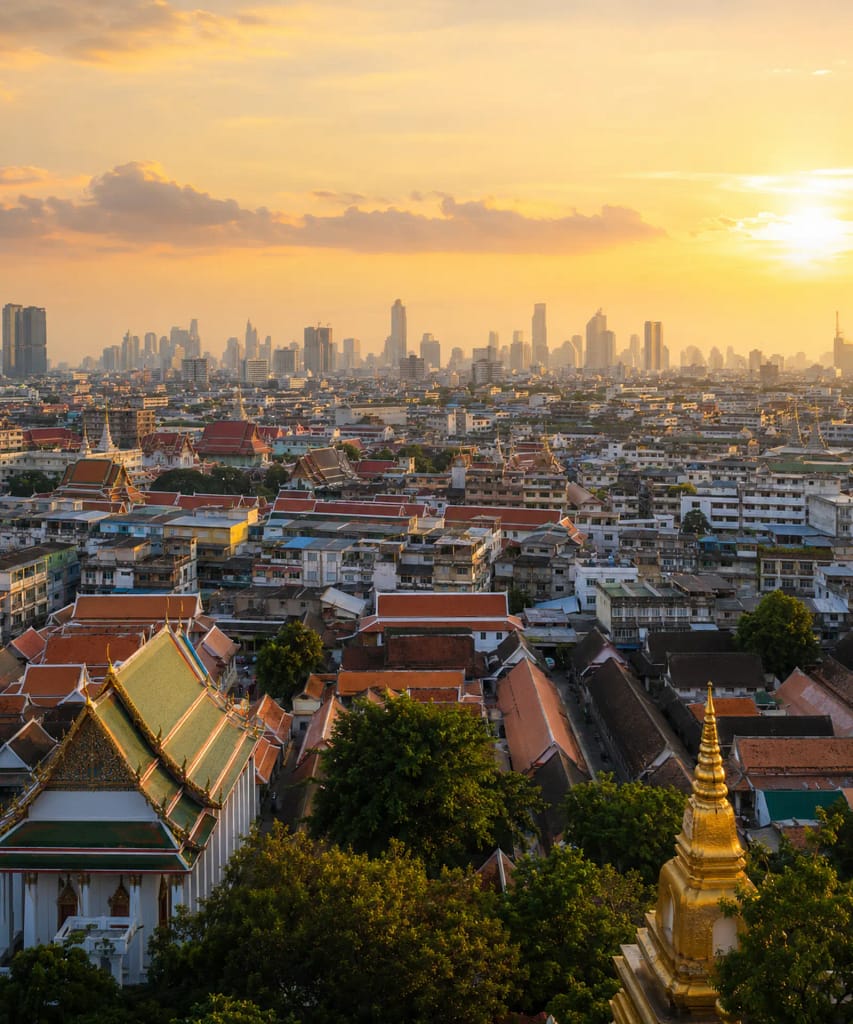
The Golden Mount rises above the eastern side of Bangkok Old City and provides a rewarding change of perspective.
A gradual staircase winds through greenery, bells and small shrines before reaching the golden chedi at the top.
The final viewpoint looks across the old quarter towards modern Bangkok.
Although the climb is manageable for many visitors, the heat makes it more tiring.
Go in the morning or later afternoon, carry water and take your time.
The elevated view helps make sense of how low-rise Rattanakosin differs from the tower-filled districts beyond it.
Museums Worth Considering
Museums provide context and, importantly, time out of the heat.
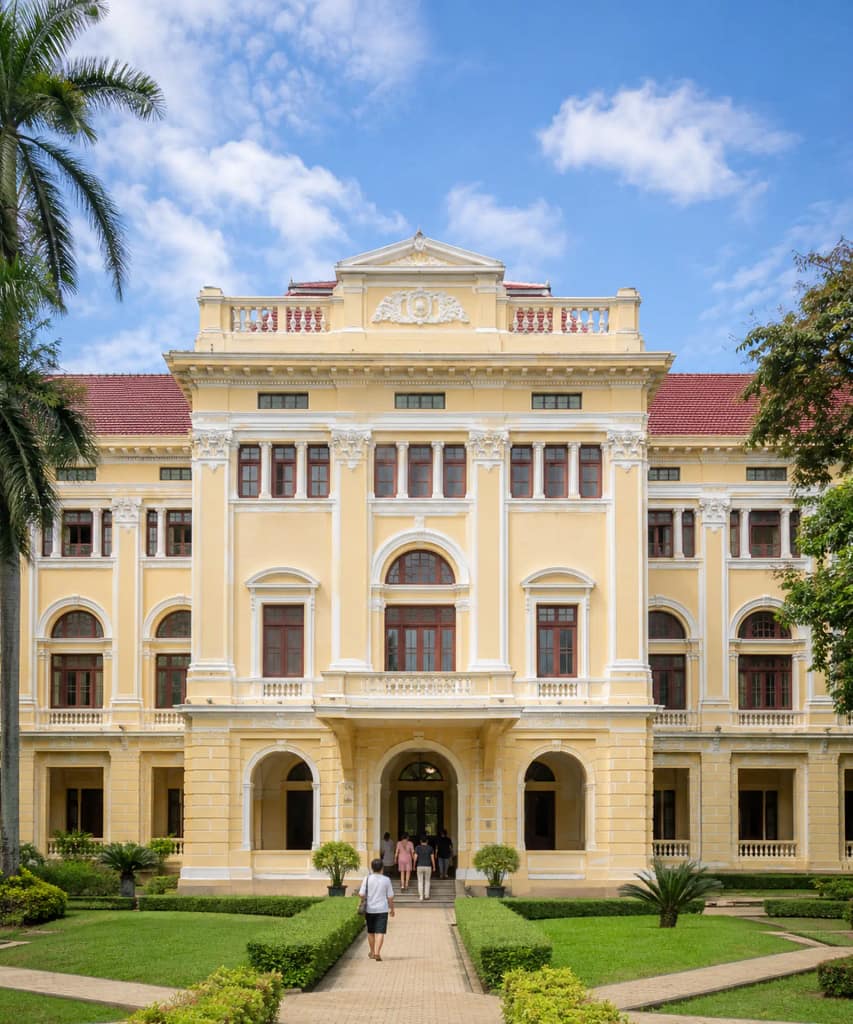
Museum Siam, near Sanam Chai MRT, explores Thai identity through engaging exhibitions in a handsome historic building.
The Bangkok National Museum holds an extensive collection connected with Thai art, history and archaeology.
Opening days, galleries and ticket arrangements may change, so consult each museum’s official information before building a fixed itinerary.
Museums are particularly valuable on a second day, when you have already seen the major temples.
They turn beautiful architecture into a more understandable story.
A Sensible One-Day Bangkok Old City Itinerary
The following route covers the major riverside landmarks without pretending that heat, queues and lunch do not exist.
Treat the times as a framework rather than a strict appointment schedule.
Always check current attraction hours and any closures the day before.
Early Morning: Grand Palace
Arrive around 8:15 am and prepare for security and ticketing.
Spend roughly two hours exploring the Grand Palace and Wat Phra Kaew.
Pause for details, but keep moving before the midday heat builds in the open courtyards.

Late Morning: Wat Pho
Walk south to Wat Pho, buying water from a reputable shop along the way.
Explore the Reclining Buddha hall and then continue into the quieter courtyards.
If a traditional massage interests you, check availability rather than assuming you can fit it into a tightly timed day.
Lunch: Stop and Recover
Have a proper seated lunch around the Tha Tien or Sanam Chai area.
Choose somewhere with shade or air conditioning and drink more water than you think you need.
This break is part of the itinerary, not wasted sightseeing time.
Afternoon: Ferry to Wat Arun
Take the local cross-river ferry and explore Wat Arun.
Allow about an hour, longer if you enjoy architectural photography.
Return across the river afterwards unless your onward plans make the west bank more convenient.
Late Afternoon: Choose One Extra
At this point, choose according to energy rather than ambition.
Museum Siam is convenient if you want air conditioning and historical context.
Pak Khlong Talat flower market adds colour and everyday city life, while a riverside café provides the gentlest finish.
I would not add the Golden Mount unless you still feel genuinely energetic and have checked its current admission time.
It belongs more comfortably in a second-day route with Wat Suthat and the Giant Swing.
A good day in Bangkok Old City should end with curiosity, not exhaustion.

Prefer to explore with a local guide?
Compare Bangkok Old City temple, food and walking tours..
What to Wear in Bangkok Old City
Light, breathable and modest clothing is the easiest answer.
For royal and religious sites, cover your shoulders and knees.
Avoid see-through clothing, very tight sportswear and garments printed with disrespectful images.
I find lightweight trousers or a longer skirt more convenient than carrying a wrap all day.
A loose shirt that covers the shoulders works better than a small scarf that may slip.
Choose fabrics that dry quickly because the heat and humidity can be intense.
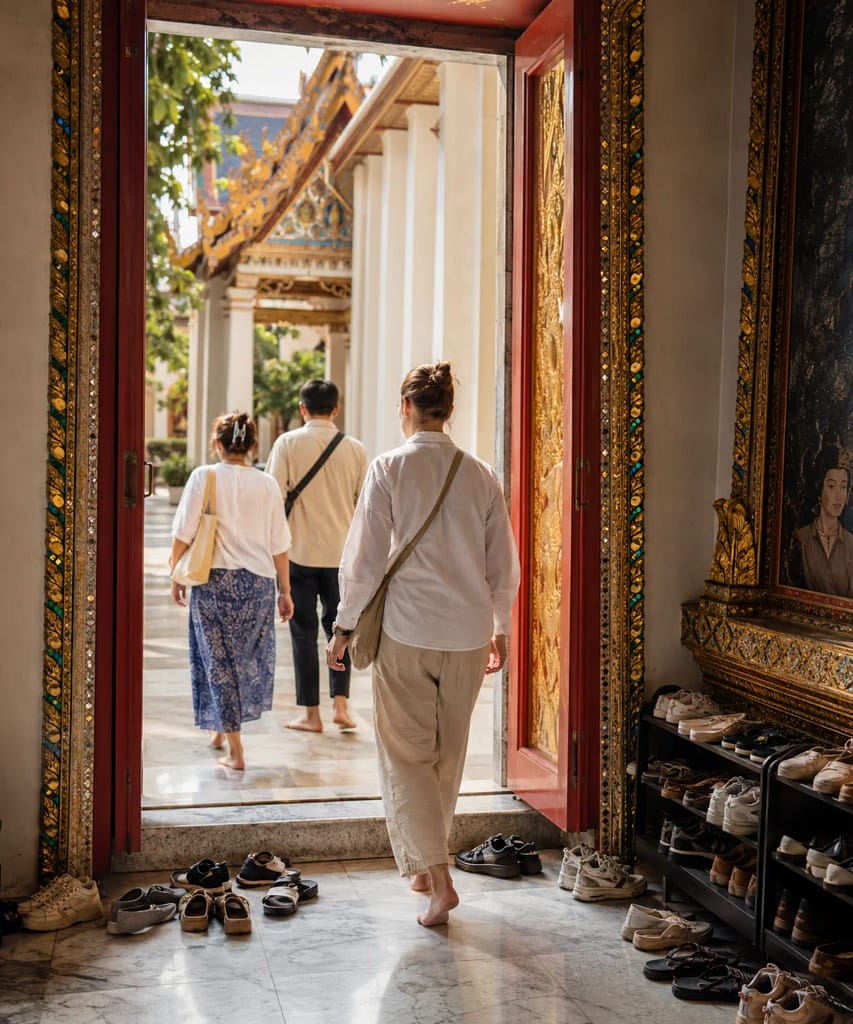
Comfortable shoes matter, but remember that you will remove them before entering certain temple buildings.
Footwear that slips on and off easily is helpful.
Wear socks if you do not want bare feet on hot or heavily used floors, and never step on raised thresholds.
Temple Etiquette Made Simple
Temples are active places of worship, not merely decorative attractions.
Lower your voice, follow signs and remove shoes where requested.
Avoid touching religious objects, monks or sacred images unless clearly invited.
When sitting, keep the soles of your feet pointing away from Buddha images and other people.
Do not pose by imitating a Buddha figure or climb on statues.
Women should avoid physical contact with monks, while everyone should give monks and worshippers space.
Photography may be allowed in one area and forbidden in the next.
Look for signs before raising the camera and never use a drone without proper permission.
If a ceremony is taking place, observe quietly from a respectful distance.
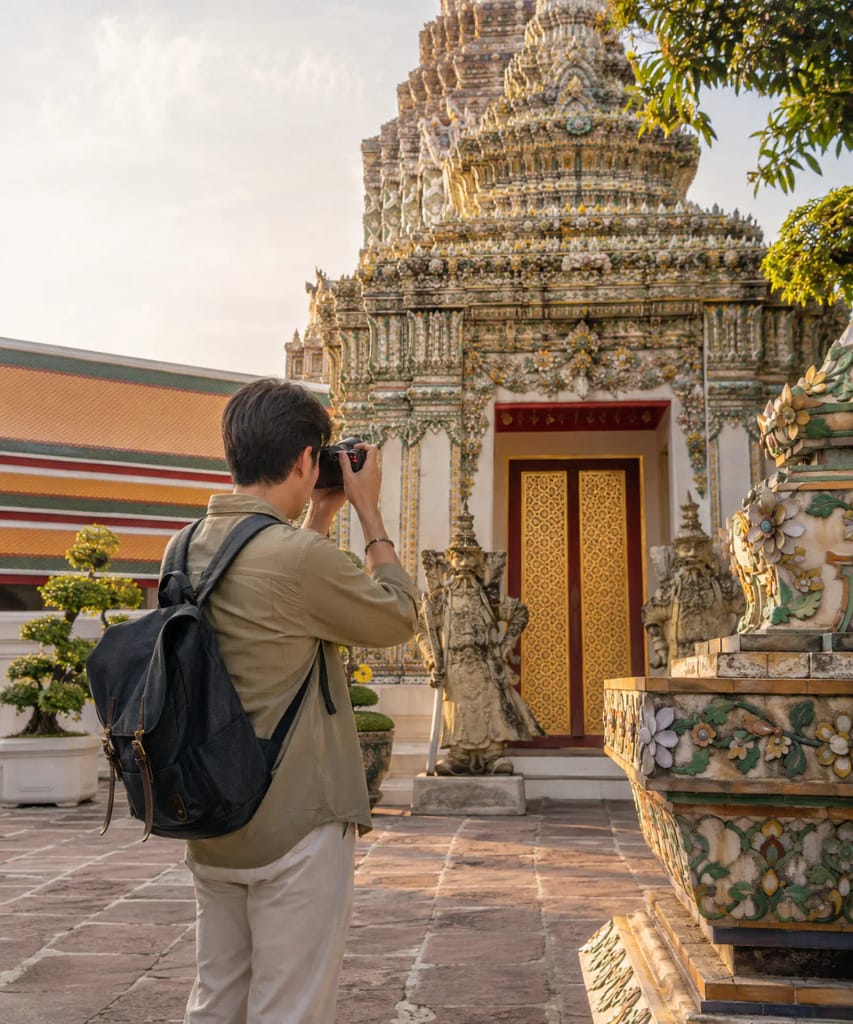
Food and Drink in Bangkok Old City
Food is one of the pleasures of exploring the old quarter, from simple noodle shops to longstanding restaurants and creative cafés inside converted shophouses.
Look beyond the busiest attraction entrances, where prices and quality can be inconsistent.
A few streets of walking often lead to a more relaxed meal.
The area around Tha Tien has plenty of visitor-friendly options near Wat Pho.
Banglamphu offers inexpensive Thai food, cafés and evening snacks, while Dinso Road and the streets around the Giant Swing contain a mix of traditional and newer businesses.
Chinatown lies just beyond the core old quarter and deserves a separate food visit if time permits.
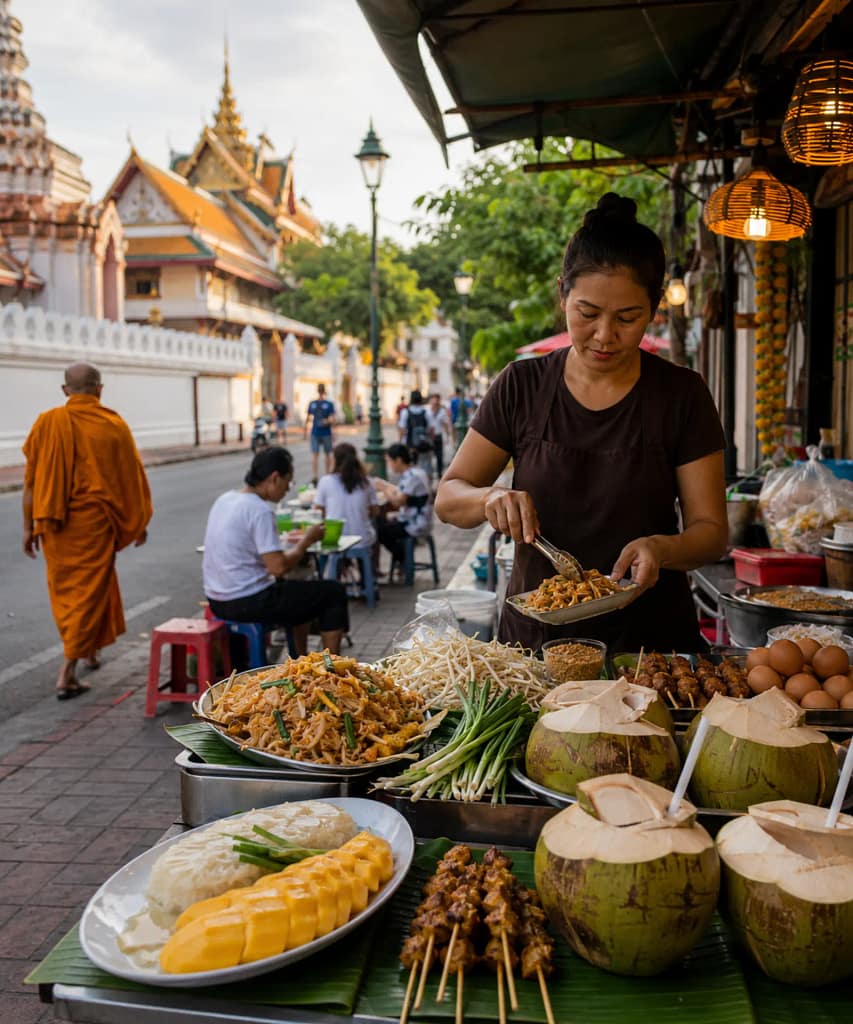
What Should You Try?
Rather than chasing one famous shop with a long queue, try dishes that suit the time and place.
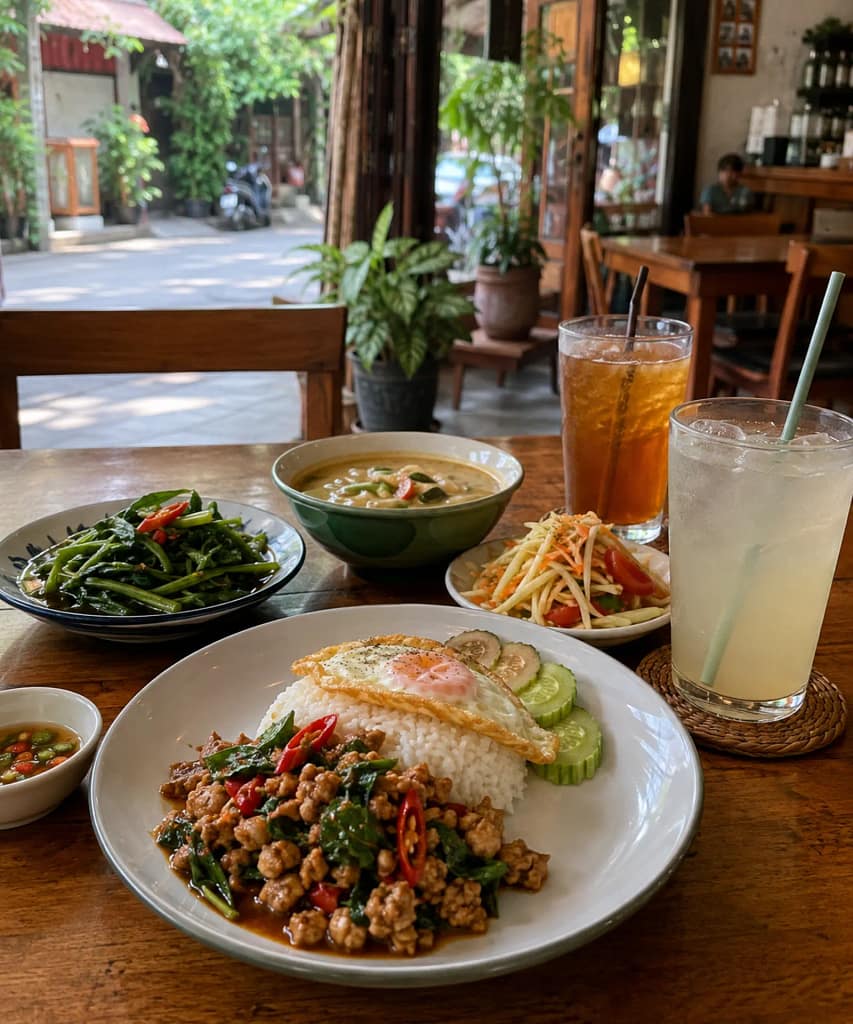
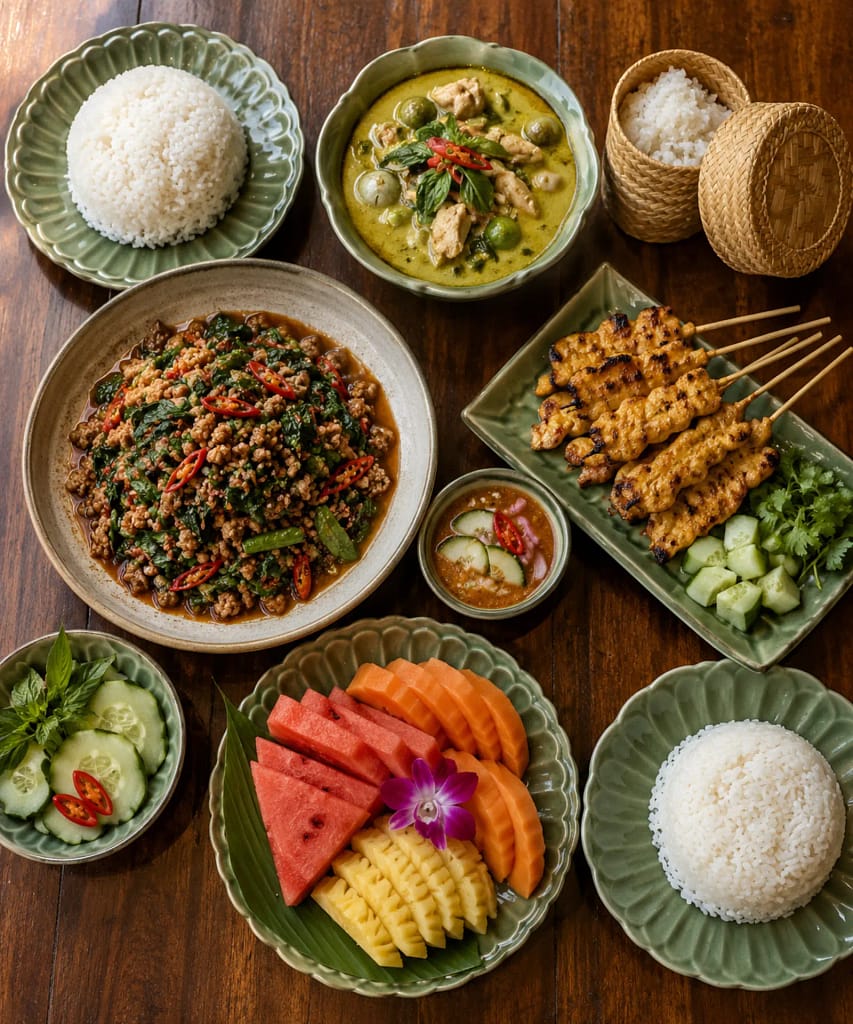
Rice with stir-fried basil, boat noodles, chicken rice, pad Thai, curries, grilled pork skewers and fresh fruit are easy introductions.
Regional and specialist dishes vary between businesses, so read recent menus and reviews rather than depending on an old “must-eat” list.
Ask for less chilli if you are unsure, although the finished sauce or curry may already be spicy.
“Mai phet” means not spicy, but it does not guarantee a completely chilli-free dish.
Food allergies require extra care because sauces and pastes can contain ingredients that are not visible.
Staying Hydrated and Avoiding Heat Exhaustion
Carry drinking water and replace it regularly.
Convenience shops and food businesses are easy to find, but water may be less accessible inside large compounds.
I also use oral rehydration salts on exceptionally hot days, particularly after heavy sweating.
Headache, dizziness, nausea, weakness and confusion can be warning signs of heat illness.
Stop walking, move into shade or air conditioning and cool down.
Seek medical help for severe symptoms, confusion, fainting or a condition that is not improving.
Ice in established restaurants and cafés is generally commercially produced, often with a tubular shape.
Use your judgement at very basic stalls and drink sealed water if you are concerned.
The bigger everyday risk for many visitors is simply not drinking enough.
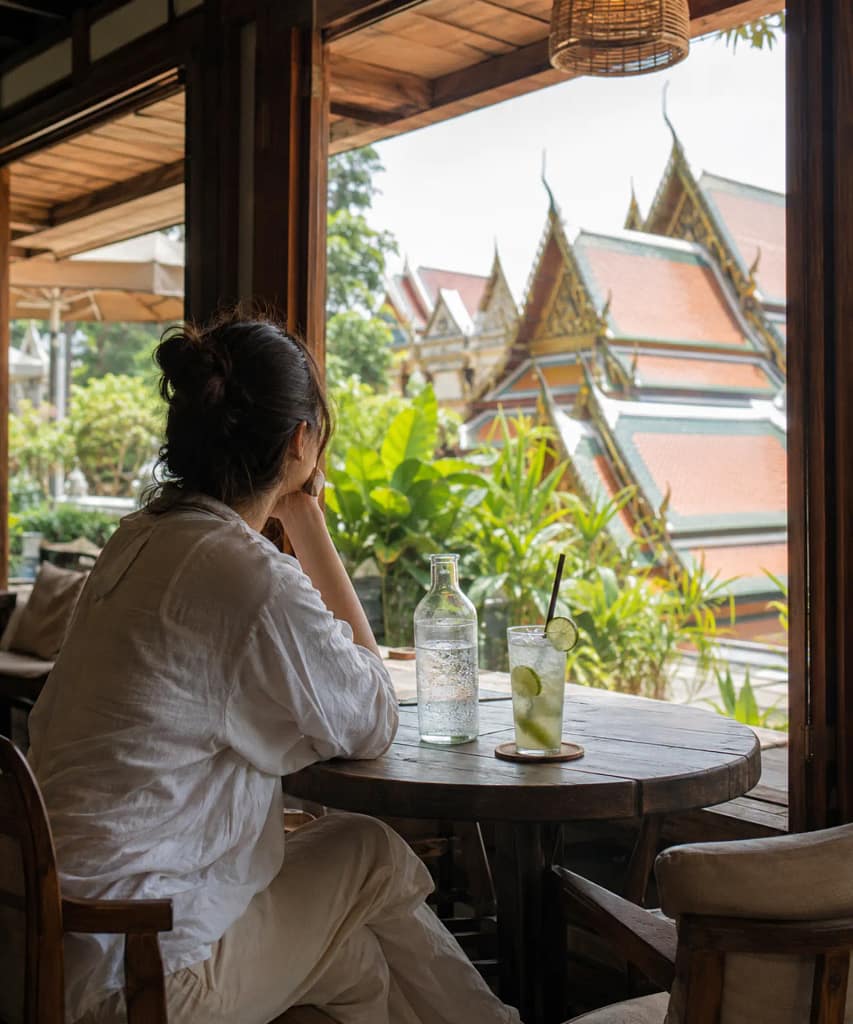
Common Scams and Annoyances
Bangkok Old City is visited safely by huge numbers of people, but heavily touristed areas attract familiar sales tactics.
The most notorious begins with a friendly stranger claiming that the Grand Palace or another attraction is closed. The person then suggests an alternative tuk-tuk tour, shop or boat trip.
Do not accept closure information from an unofficial person in the street. Walk to the proper entrance or check the attraction’s official website.
The Grand Palace may genuinely adjust access for ceremonies, but a stranger conveniently offering a cheap replacement tour is not a reliable source.
An unusually cheap or free tuk-tuk trip often depends on taking passengers to shops that pay the driver commission or fuel vouchers. You may be pressured to browse gems, suits or travel services. Politely refuse and leave if the agreed journey changes. This does not mean every tuk-tuk driver is dishonest. The solution is simply to agree a direct route and price before boarding. Do not let embarrassment keep you in an arrangement you did not accept.
Private canal and river tours can be enjoyable, but confirm the full price, duration, route, boat type and finishing point before paying. Make sure the amount is for the entire boat or clearly per person. Public piers and established operators make comparison easier.
Someone may tell you that your clothing is unacceptable before you reach the official checkpoint, then offer to sell something. Your outfit may genuinely need adjusting, but only authorised staff decide entry. Dress correctly from the start and you remove the uncertainty.
Petty theft can occur wherever crowds gather. Use a closed bag, keep your phone secure near roads and do not display large amounts of cash. Cross-body bags should be worn away from passing traffic where possible.
Most visits pass without any serious problem. Awareness is more useful than suspicion. Be friendly, but make transport, ticket and shopping decisions without pressure.
How Much Does a Visit Cost?
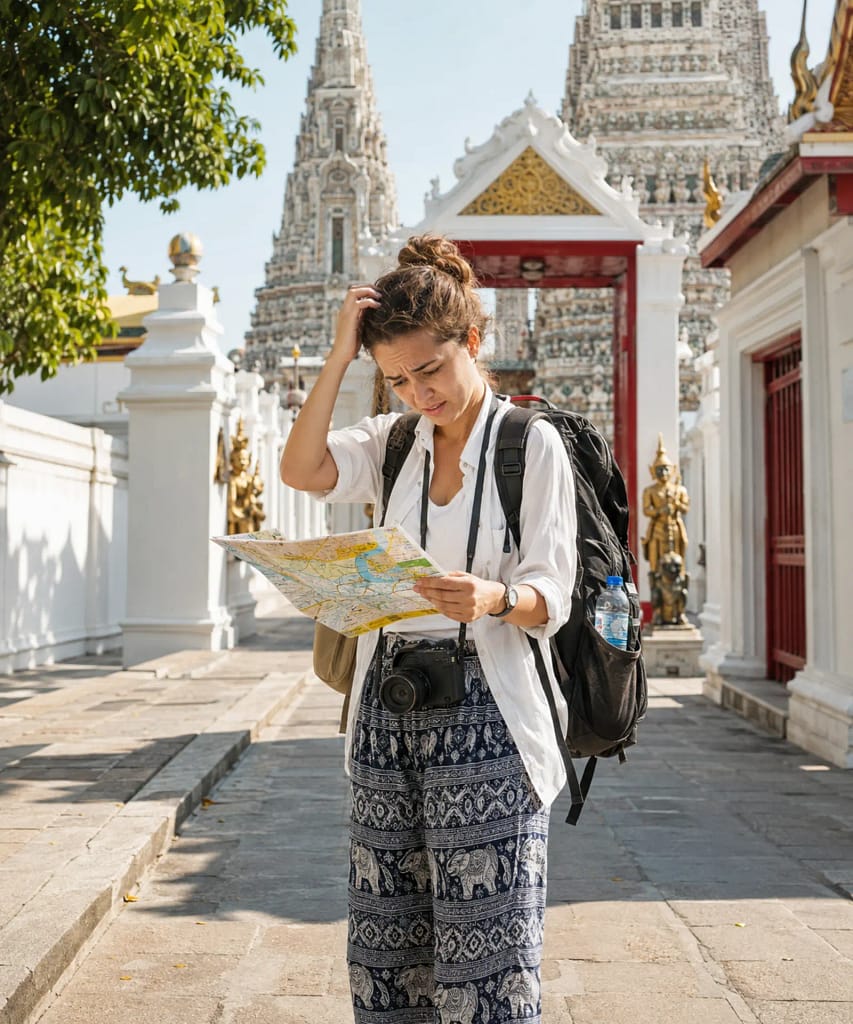
Bangkok Old City can suit different budgets, but major admission fees form a significant part of the day.
The Grand Palace currently lists a 500-baht foreign visitor ticket, while Wat Pho currently states 300 baht.
Add Wat Arun or other attractions, local transport, lunch, water and your journey to and from the district.
Prices change, so use exact figures as planning estimates rather than promises.
Check official websites just before travelling and keep extra cash available.
Smaller ferries, food stalls and local businesses may prefer cash even when larger attractions accept other payment methods.
A Practical Daily Budget
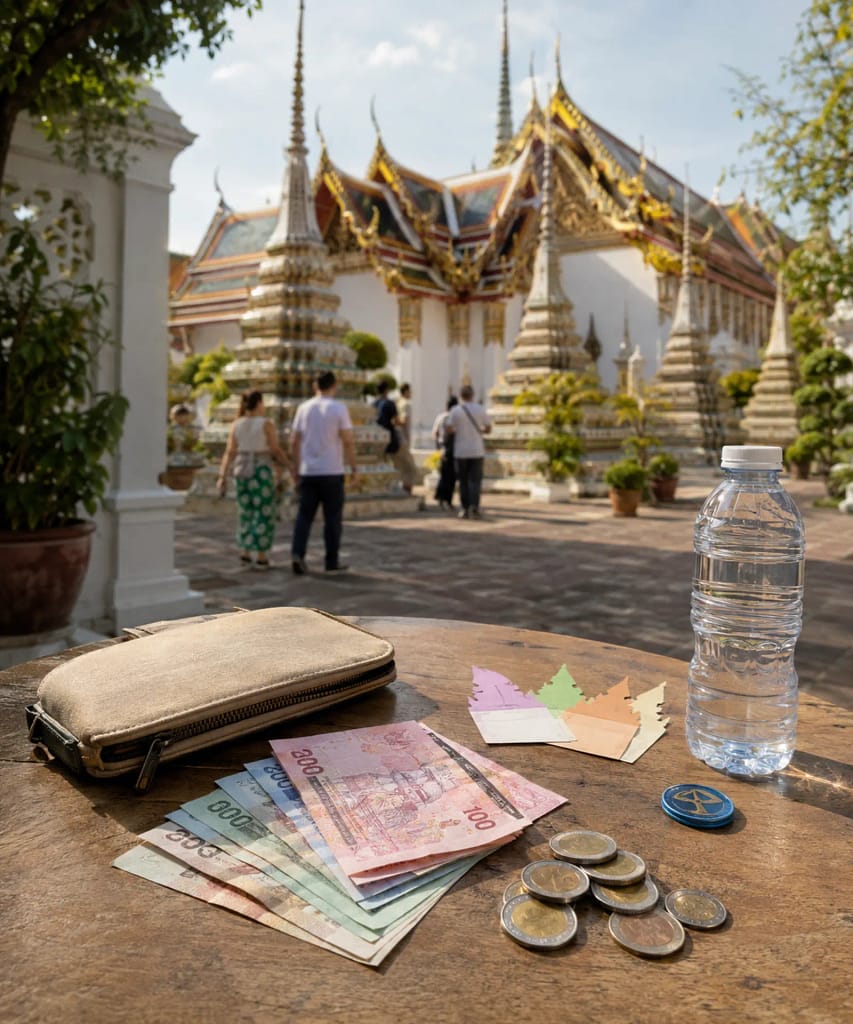
For a self-guided day covering the three principal temples, allow for more than 1,000 baht before meals and transport once all current admission charges are combined.
A comfortable total will be higher if you take taxis, book a guide, have a sit-down riverside meal or buy souvenirs.
Families should check child admission policies individually because age or height rules vary by attraction.
Carry small notes for drinks, ferries and inexpensive food.
Avoid keeping all cash in one place.
ATMs are available in the wider area, though withdrawal fees and your home bank’s charges can make frequent small withdrawals poor value.
Is a Guided Tour Worth It?
A good guide adds historical and cultural context that signs and quick internet searches cannot always provide.
Tours can also simplify transport between sites and help first-time visitors navigate entrances.
The trade-off is less freedom to linger or change the day according to weather and energy.
Check whether admissions, hotel collection, drinking water and river crossings are included.
Look for recent reviews that discuss guide quality rather than only vehicle comfort.
Private tours cost more but may be valuable for families, mobility needs or a very limited schedule.
Compare Old City Tours?
Make sense of the palaces, temples and traditions with a highly rated Bangkok guide.
Where to Stay for Bangkok Old City
Staying in the historic district gives you early access to temples, river views and a more traditional atmosphere.
It also means you are farther from the BTS-heavy shopping and nightlife districts of Siam and Sukhumvit.
The right choice depends on whether Bangkok Old City is the focus of your trip or one part of a broader city break.

This area is ideal for views, Wat Pho, Wat Arun and the Grand Palace. Boutique hotels and guesthouses occupy converted buildings, sometimes with wonderful rooftop or restaurant views. Streets can be quiet at night, which suits early-start sightseeing but not everyone’s evening plans.
Banglamphu offers everything from budget hostels to comfortable small hotels. Khao San Road itself is noisy and lively, while nearby Rambuttri, Samsen and Phra Athit can provide a better balance. Check recent comments about room noise before booking.
Staying towards Sam Yot places you near the Giant Swing, Wat Suthat and MRT transport. It can be a smart compromise for exploring both old Bangkok and other rail-connected districts. Chinatown is also relatively accessible.
If shopping, rooftop bars and easy BTS access matter more, stay around Siam, Silom or Sukhumvit and visit Bangkok Old City for the day. That is often the best arrangement for a first trip with varied interests.
The old quarter remains easy enough to reach by MRT, boat or taxi when planned properly.
Find your ideal Bangkok base?
Find your ideal Bangkok base, from riverside boutique hotels to budget stays near Khao San Road.
Photography Tips
Bangkok Old City is extraordinarily photogenic, but midday light can wash out pale skies and create hard shadows.
Early morning gives the Grand Palace area a softer appearance, while late afternoon suits riverside views.
A polarising filter can help with glare, although it may affect wide blue skies unevenly.
Use architectural details to tell the story: roof finials, patterned tiles, bells, doorways, murals and flower offerings.
Wide views establish the scene, while close images prevent every temple photograph from looking the same.
Include ordinary streets and river transport so the article shows a living neighbourhood rather than only monuments.
Photographing People Respectfully
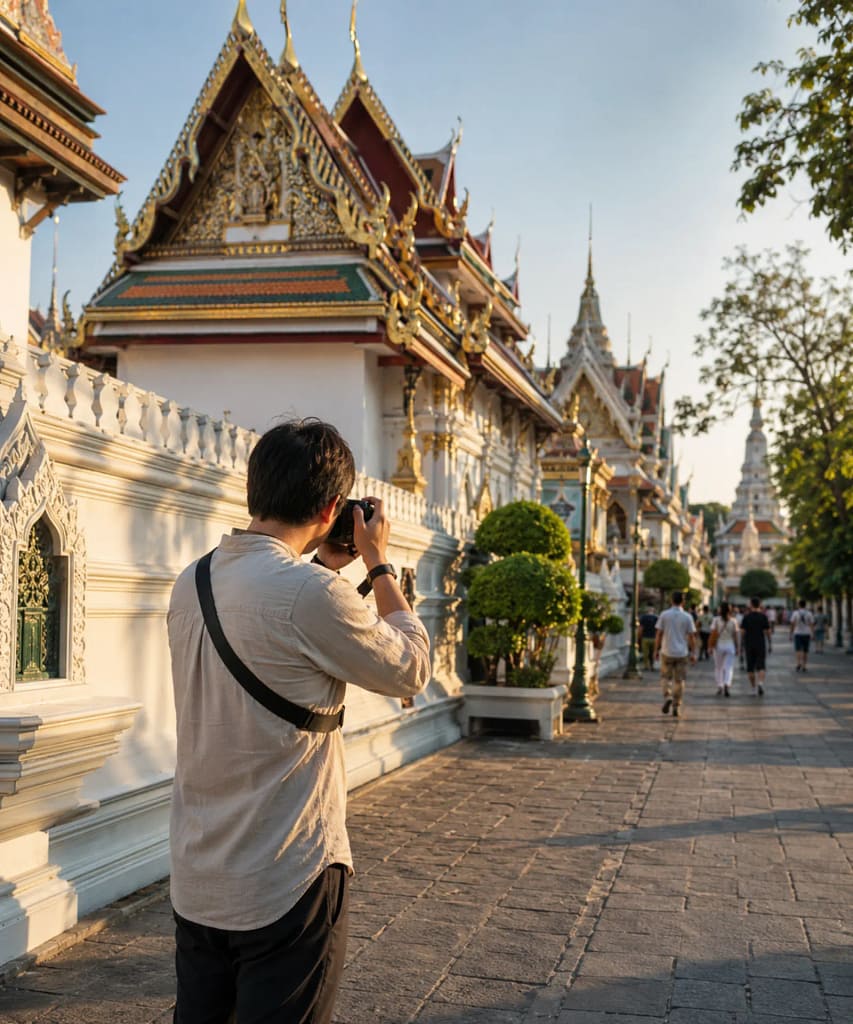
Ask before taking a close portrait of a vendor, monk or worshipper.
A smile and simple gesture towards the camera often communicate the question.
If someone declines, thank them and move on.
Do not interrupt prayer or ceremonies to obtain an image.
Avoid treating monks as colourful background props.
The best travel photography comes from patience and respect, not directing strangers without permission.
Drones and Tripods
Drone use in Bangkok is regulated, and individual landmarks may prohibit it entirely.
The Grand Palace’s official practical information specifically states that drones are not allowed over the area.
Do not launch based on seeing someone else’s aerial video online.
Large tripods may also be restricted or impractical in crowds.
A small camera and stabilised lens are easier for most visitors.
Commercial filming requires separate permissions at many sites.
What to Pack for the Day
Keep your bag light enough to carry comfortably for several hours.
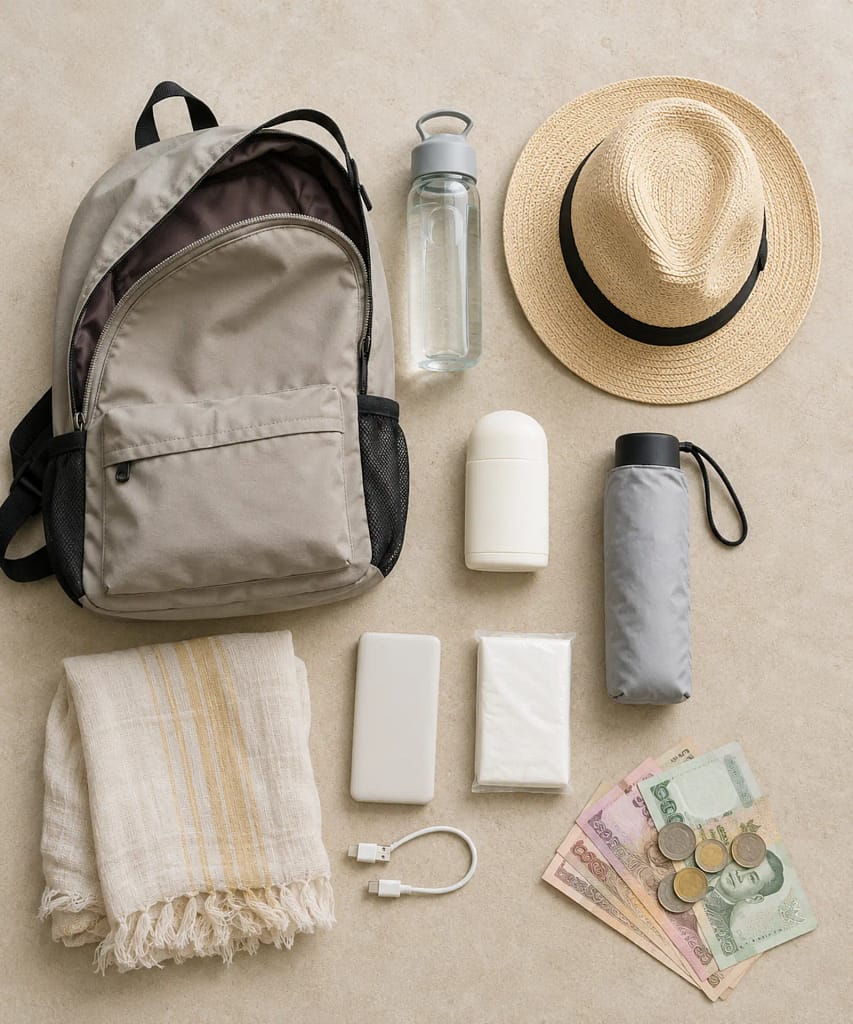
My essentials would be a refillable water bottle, sun protection, modest layer, folding umbrella, tissues, hand sanitiser, small cash notes and a charged phone.
A compact power bank is useful because maps and photography drain batteries quickly.
Bring any medication you may need, but keep prescription drugs in their labelled packaging.
Travel insurance details should be available offline.
If rain is likely, a small waterproof pouch protects your phone and passport.
Do not carry your passport loose in an easy-to-open pocket.
Whether you take the original or a secure copy depends on your activities and current identification requirements.
Store digital copies securely and separate from the physical document.
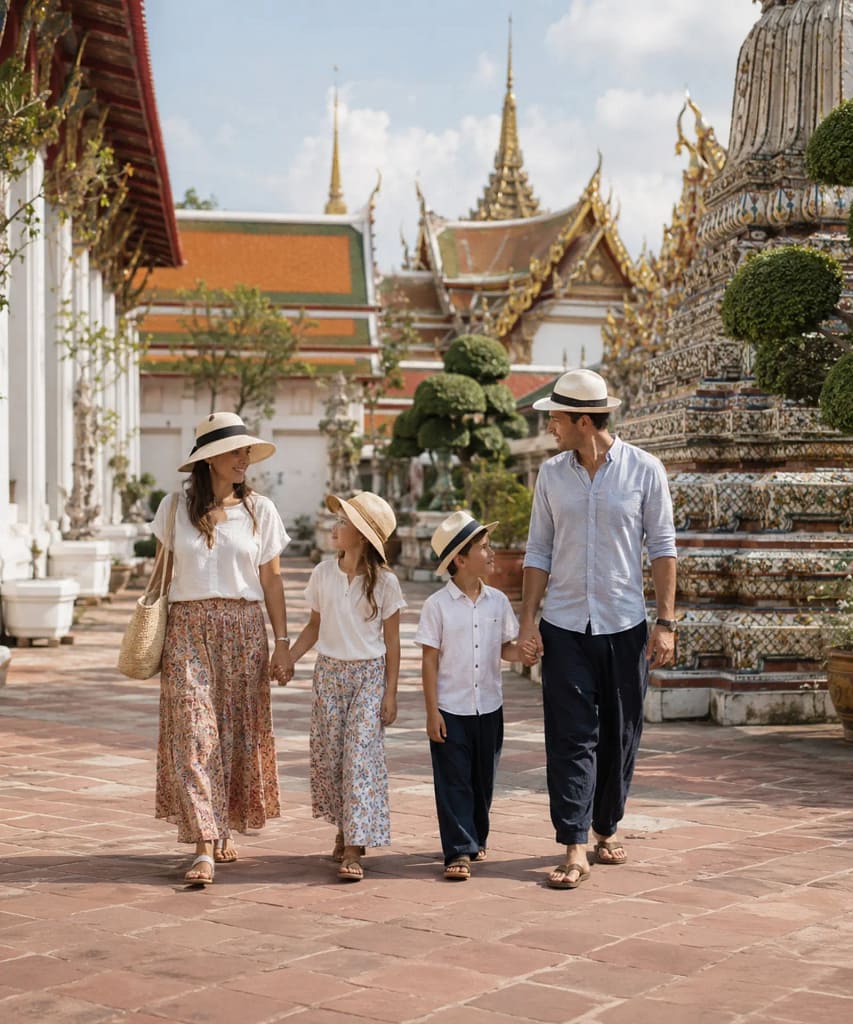
Visiting with Children
Bangkok Old City can be fascinating for children, but an adult’s full temple itinerary is likely to be too much.
Choose one major temple, add a boat journey and schedule regular snacks or air-conditioned breaks.
Turning architectural details into a simple spotting game can hold attention without disturbing worshippers.
Pushchairs face uneven pavements, kerbs and crowded compounds.
A lightweight folding model is easier than a large travel system, although steps still create problems.
Check each attraction for current child tickets, accessibility and restrictions.
Make heat management the priority. Children may become overheated before explaining clearly how they feel.
Shorter visits and a relaxed lunch will create better memories than insisting on every planned attraction.
Visiting During the Rainy Season
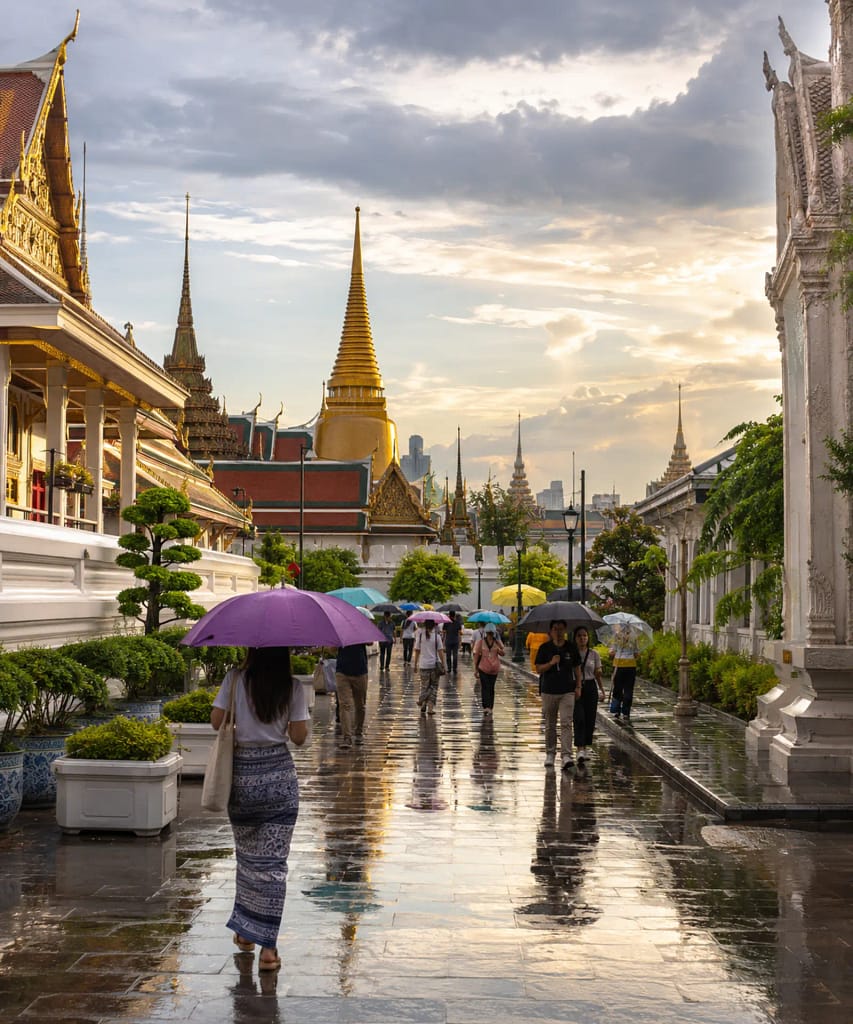
Rain need not ruin Bangkok Old City, but drainage, slippery surfaces and exposed courtyards require flexibility.
Showers can arrive suddenly and heavily.
Move under proper shelter rather than trying to continue through lightning or flooded streets.
Temple floors and tiled steps become slippery, particularly when removing wet shoes.
Walk slowly and keep a dry bag for electronics.
A poncho covers more of the body, while an umbrella provides better ventilation in humid conditions.
Use the weather to adjust the order of your day.
Move a museum or long lunch into the wettest period, then return outdoors when conditions improve.
Avoid packing a non-refundable schedule so tightly that one storm disrupts everything.
Easy Mistakes First-Time Visitors Make
The first is trying to see too much.
Bangkok Old City looks compact on a screen, but heat, traffic and attraction queues change the calculation.
Three meaningful stops are usually better than seven rushed ones.
The second is wearing unsuitable clothing and hoping to improvise.
Dress for temples from the beginning, using breathable garments.
This saves money, time and possible disappointment.
The third is trusting anyone who says a famous attraction is closed.
Confirm at the official entrance or website. Do not let a stranger redirect your day into shops or an unplanned tour.
The fourth is forgetting the return journey. After hours of sightseeing, navigating an unfamiliar pier or finding a taxi during rush hour can feel harder.
Know which MRT station, pier or pick-up point you will use before your phone battery reaches its final few per cent.
FAQ’s About Bangkok Old City
Yes. It contains several of Thailand’s most important royal and religious landmarks, but its appeal also comes from the river, markets, shophouses and everyday street life. Even travellers who usually avoid busy attractions should give the area at least half a day.
The main visitor areas are generally busy and well travelled, but normal city precautions apply. Protect valuables, cross roads carefully, avoid unlicensed offers and use official information when someone claims an attraction is closed. Heat and traffic are often more immediate concerns than crime.
Yes, and walking is one of the best ways to explore. However, pavements can be uneven or obstructed, crossings may be awkward and the climate is demanding. Combine walking with the MRT, ferries, taxis or tuk-tuks rather than insisting on covering every distance on foot.
Sanam Chai on the Blue Line is the most useful MRT station for the Grand Palace and Wat Pho area. Wat Pho is closer, while the palace requires a longer walk. Check the live route and consider a short taxi if mobility or extreme heat is a concern.
Wear lightweight clothing that covers shoulders and knees, particularly at the Grand Palace and temples. Avoid transparent, torn or very tight garments. Comfortable shoes that are easy to remove are ideal.
Yes. Start at the Grand Palace when it opens, walk to Wat Pho, stop for lunch and take the ferry to Wat Arun. Do not add too many distant attractions to the same day, especially in hot weather.
Current booking information lists check-in from 2:00 pm and check-out by 12:00 noon. Confirm the times shown with your chosen rate before travelling.
Booking arrangements vary by attraction and can change. Use only the attraction’s official website or a reputable tour provider. Be cautious of unofficial sellers and confirm what any tour ticket includes.
Standards vary, but modest clothing is the respectful default throughout Bangkok Old City. The Grand Palace applies particularly clear requirements. Carrying suitable clothing from the start prevents problems.
The wider Banglamphu area has family-suitable hotels and restaurants, but Khao San Road itself becomes loud and nightlife-focused in the evening. Choose a nearby quieter street and check recent noise reviews before booking.
Yes. Cards or digital payments may work at some large attractions and restaurants, but small ferries, stalls and local transport may require cash. Carry smaller notes and keep money divided between secure places.
Absolutely. The major sights can be reached independently with basic planning. A guide is worthwhile if you want deeper cultural and historical explanation or prefer help with logistics.
The riverbank facing Wat Arun is a classic choice, while some cafés and restaurants offer elevated views. Arrive early if you want a particular venue. The Golden Mount also provides broad late-afternoon views, subject to its current closing and admission times.
My Final Advice for a First Visit
Bangkok Old City is easiest to enjoy when you stop treating it as a challenge to complete. Begin early, dress respectfully, drink plenty of water and choose a small number of places that genuinely interest you.
The most famous temples provide the grandeur, but side streets, river crossings and quiet pauses give the day its personality.
I would make the Grand Palace, Wat Pho and Wat Arun the foundation of a first visit.
If you have a second day, add the Giant Swing, Wat Suthat, the Golden Mount, a museum and a slower neighbourhood walk.
That balance lets you appreciate the history without reaching the point where every golden roof blends into the last.
Most importantly, leave room for Bangkok Old City to surprise you. A market stall, a ferry ride or an unplanned cup of coffee may become as memorable as the landmarks you travelled to see.
Plan enough to avoid the common problems, then give yourself permission to wander.
Ready to plan your Bangkok trip?
Compare places to stay near the river, the Grand Palace and Bangkok’s best-known historic neighbourhoods.
Useful Resourse Links
- Grand Palace official visitor schedule
- Grand Palace official practical information
- Wat Pho official visitor plan
- Bangkok MRT official system map
- Tourism Authority of Thailand: Bangkok

☕ Enjoying Thailand Stay Guide?
If you’ve found our guides, itineraries and travel tips helpful, you can support Thailand Stay Guide by buying us a coffee. Every contribution helps cover website costs, create new content, and keep our travel advice free for everyone.

Thank you for your support—it really does make a difference. ❤️
Affiliate & AI Disclosure: This article may contain affiliate links. If you book through one of these links, we may receive a small commission at no extra cost to you. This helps support Thailand Stay Guide and allows us to continue producing independent hotel reviews. AI tools may have been used to assist with research, writing or editing; however, all content is reviewed and approved by us before publication.