
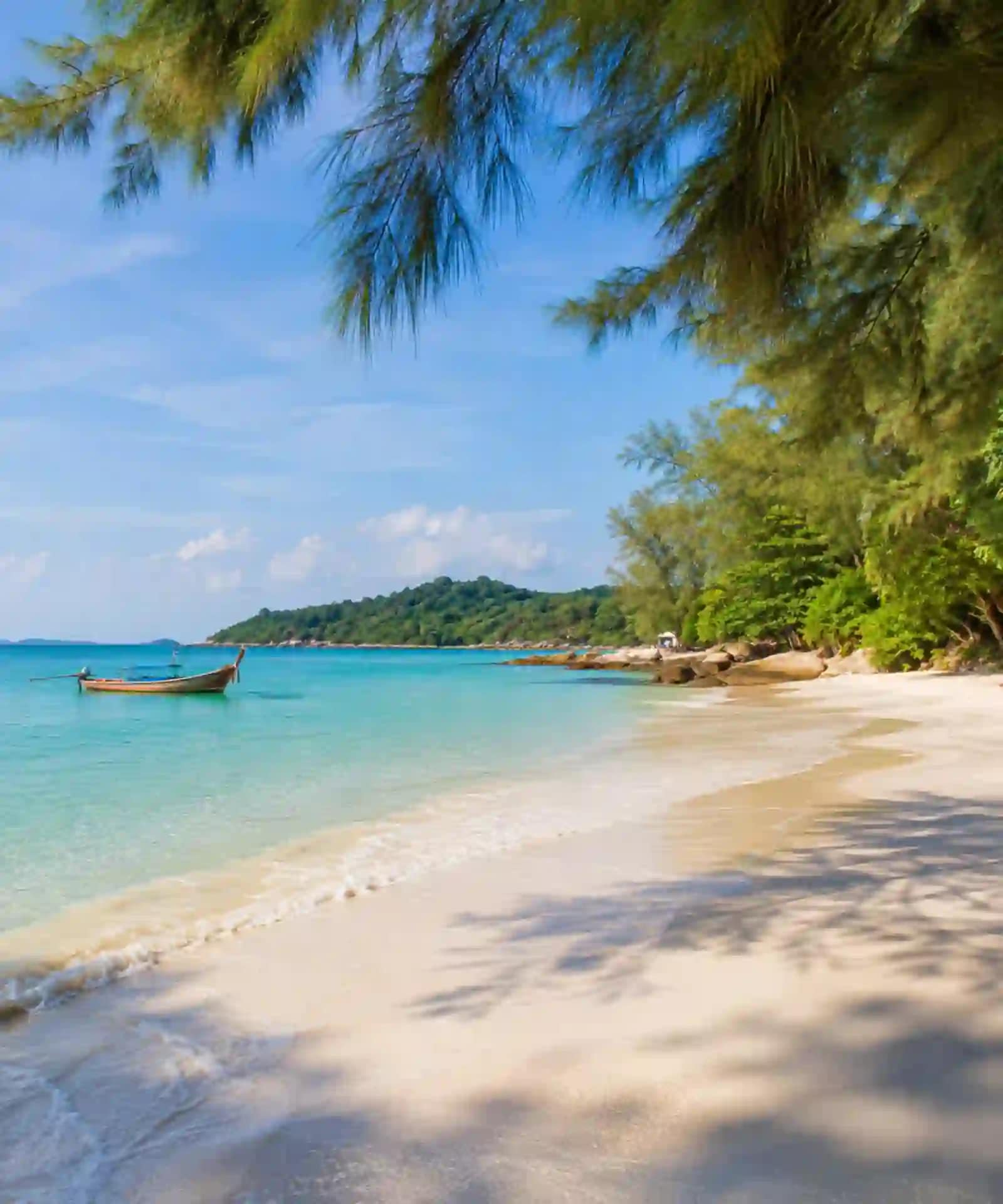
Koh Samet is the island escape people often hope to find when planning a short break from Bangkok: soft pale sand, clear sea, casual beachfront restaurants and no domestic flight required.
It is compact enough for a long weekend, yet varied enough to give lively beach lovers, couples and families quite different holidays.
This Koh Samet travel guide covers the decisions that matter before you book: when to visit, how to reach the island, which beach to stay on, what things cost and how to spend three relaxed days. It also explains the national park fee and the transport details that can surprise first-time visitors.
Koh Samet is not Thailand’s wildest or most remote island. That is part of its appeal. If you want an easy, attractive beach break within practical reach of Bangkok or Pattaya, it deserves a place near the top of your shortlist.
1. Is Koh Samet Right for Your Thailand Holiday?
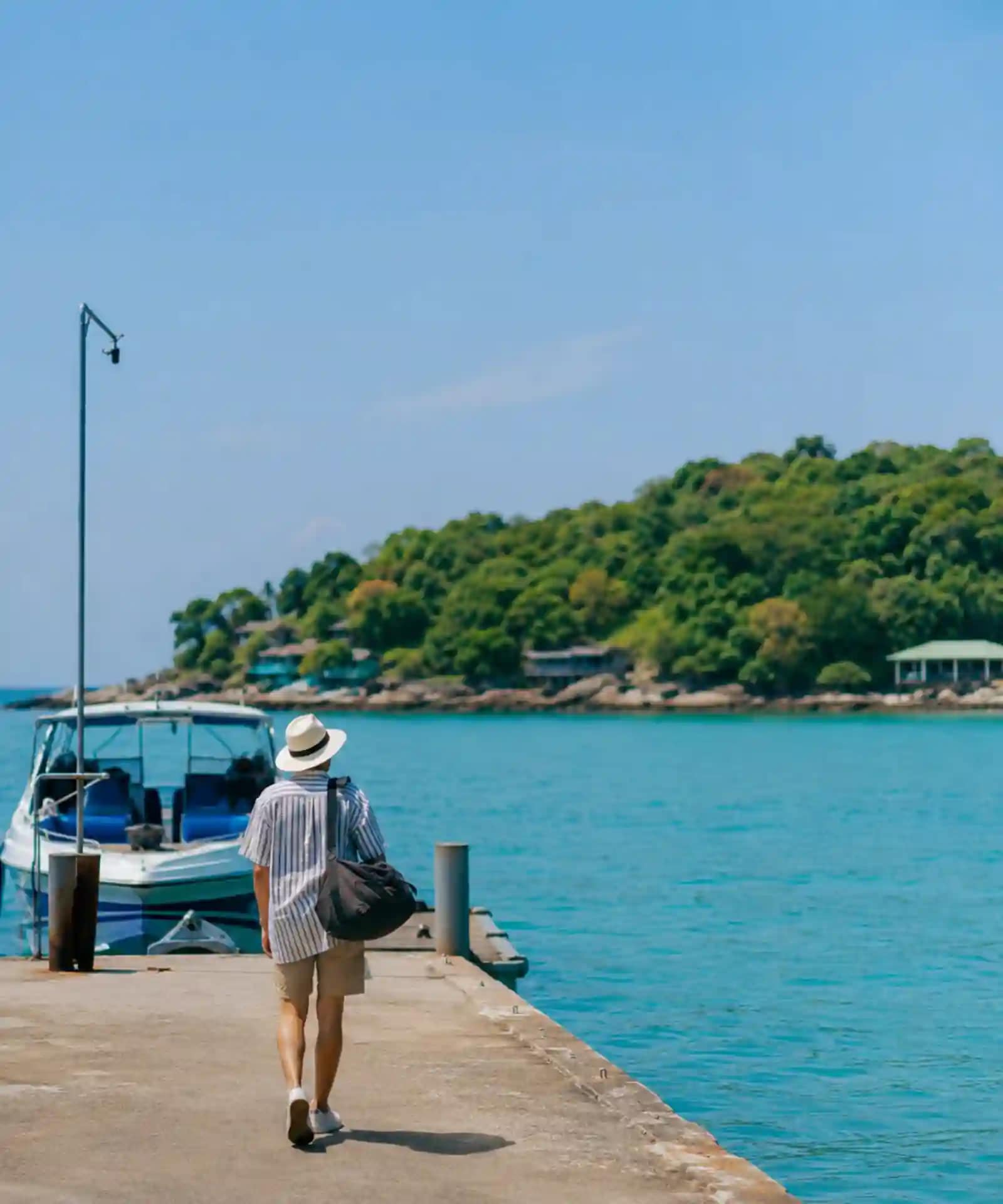
Koh Samet lies off the coast of Rayong in eastern Thailand, roughly 6.5 kilometres from Ban Phe. Most of the island sits within Khao Laem Ya–Mu Ko Samet National Park, which helps explain both its protected status and the entrance fee collected from visitors.
The island works particularly well for travellers who want:
- A beach break without flying from Bangkok.
- Two to four nights of swimming, eating and slowing down.
- A choice between lively and quiet beaches.
- Simple island transport rather than a packed sightseeing schedule.
- Resorts ranging from modest rooms to polished beachfront stays.
It is less suitable if your dream trip depends on large shopping centres, extensive nightlife, major cultural sights or weeks of wilderness. Koh Samet has bars and evening entertainment, especially around Sai Kaew and Ao Phai, but it is not Phuket or Pattaya in miniature.
The island’s atmosphere also changes during the week. Thailand’s official tourism information describes weekdays as quieter and weekends as livelier because Koh Samet is a popular escape for Bangkok residents.
If peace matters more than atmosphere, arrive between Sunday and Thursday and avoid Thai public-holiday weekends.
How many nights do you need?
Two nights can work if you leave Bangkok early, but three nights feels much less rushed. That gives you time for one beach-hopping day, one boat or snorkelling trip, and a final morning without watching the clock.
Four or five nights suit travellers who are happy to build the holiday around the beach rather than daily attractions.
Diving in Koh Lipe: A Beginner’s Guide
Saily eSIM Thailand Review 2026: 7 Excellent Reasons to Use It
10 Days in Thailand Bangkok and Phuket Itinerary
2. The Best Time to Visit Koh Samet
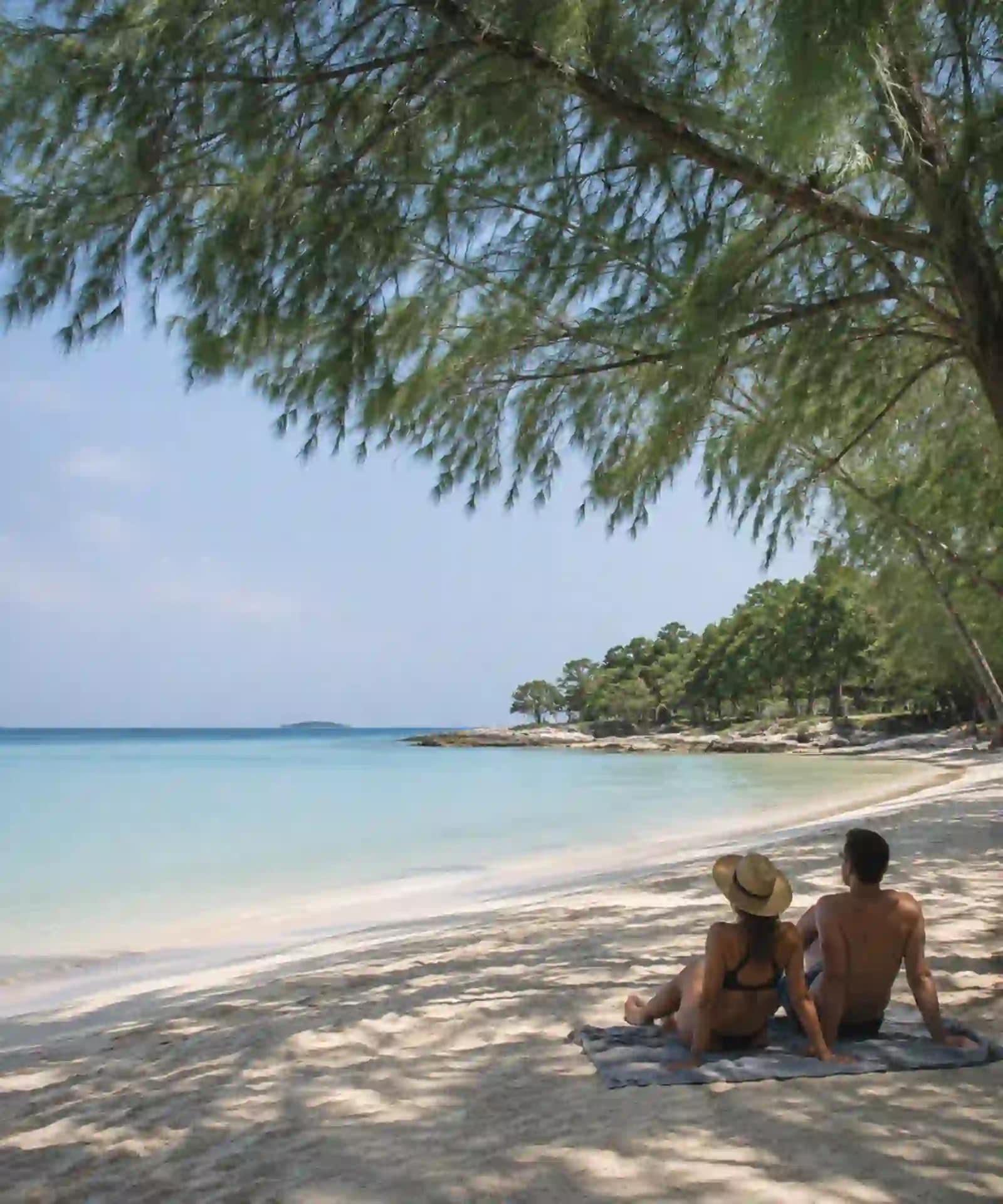
The best time to visit Koh Samet is generally from October to April, when the Tourism Authority of Thailand says the sea is usually calmer.
December to February normally offers the most comfortable combination of sunshine, lower humidity and pleasant evenings, but it is also a popular period.
March and April are hotter. The sea can still look glorious, but midday heat may make long walks or scooter rides uncomfortable. Plan active outings in the morning, then retreat to shade, water or an air-conditioned room during the hottest hours.
From May into the wetter months, showers become more frequent and the sea can be choppier. Rain does not automatically mean a ruined holiday; tropical downpours may be brief, and accommodation can cost less.
However, boat trips can change at short notice, so keep some flexibility if snorkelling or island-hopping is essential to your plans.
Pattaya Floating Market Review: Tourist Trap or Cultural Gem?
10 Best Beaches in Koh Kood: Which One Should You Visit?
Where to Stay on Ko Phi Phi Don: Best Areas and Beaches Compared
Diving in Koh Lipe: A Beginner’s Guide
Saily eSIM Thailand Review 2026: 7 Excellent Reasons to Use It
Weekdays versus weekends
Weather is only half the timing decision. Sai Kaew and other popular areas become noticeably busier at weekends, while weekday stays can feel more relaxed. Travelling midweek may also produce better room availability and a wider choice of beach-facing accommodation.
Book early for Christmas, New Year, Songkran and long Thai holiday weekends. If your dates are flexible, compare Sunday-to-Thursday stays before committing to Friday and Saturday nights.
Weather note: Seasons are a guide, not a guarantee. Check the marine forecast shortly before travelling, especially during the monsoon period, and follow local advice on swimming and boat departures.
3. How to Get to Koh Samet from Bangkok
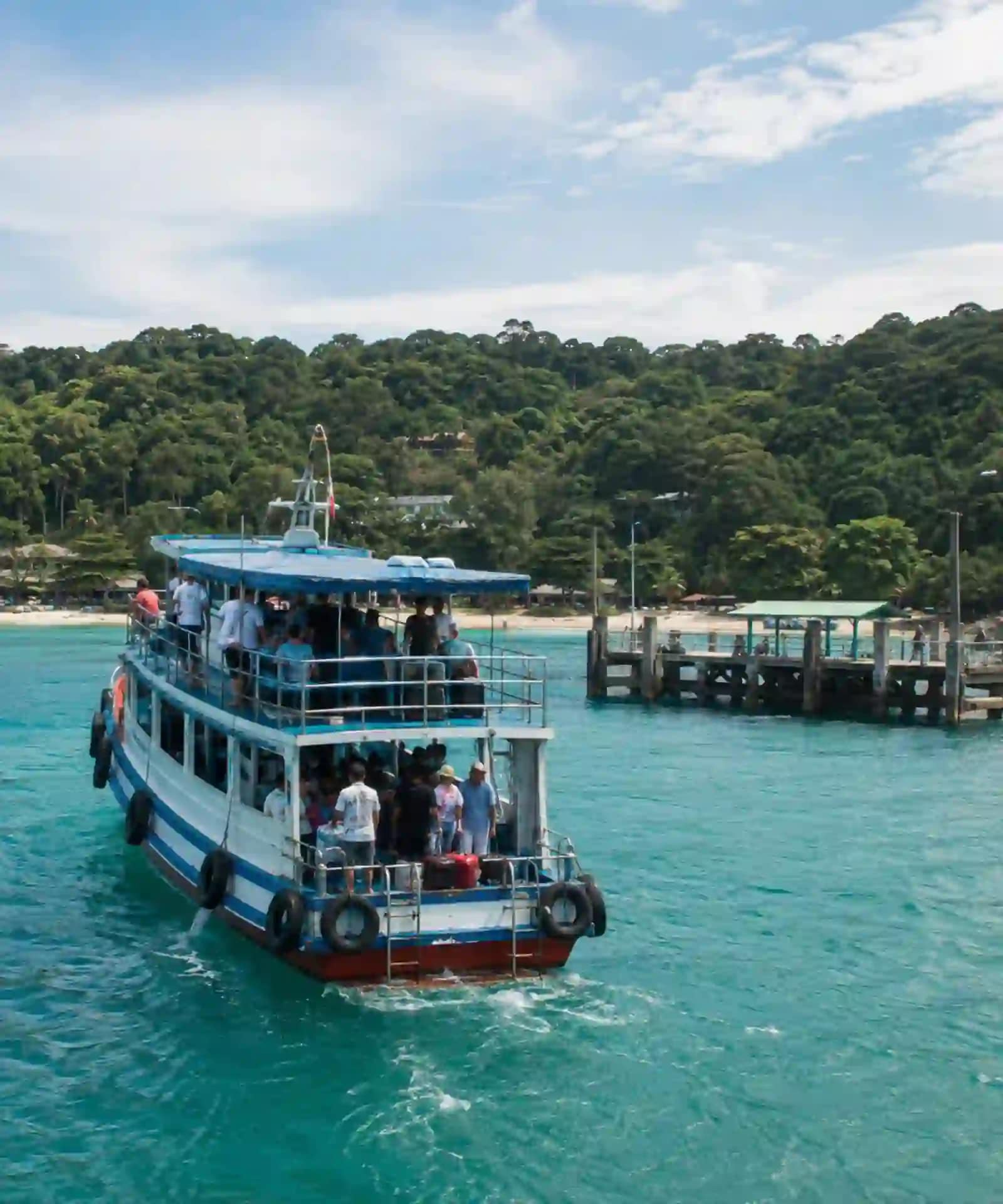
The journey has two stages: travel by road to Ban Phe in Rayong Province, then take a boat to Koh Samet. From central Bangkok, allow roughly four to five hours door to door in normal conditions. Traffic, waiting time and your chosen boat can all extend the journey.
Bangkok to Ban Phe
Budget travellers commonly use a bus or minivan from Bangkok towards Ban Phe or Rayong, while couples and families may prefer a private transfer. Departure points and direct services change, so confirm the current terminal and final stop when booking. A service terminating in Rayong town may still require a local transfer to Ban Phe pier.
A private car is the easiest option if you have several bags or want to travel on your own schedule. Ask the driver to confirm the exact pier used by your boat operator, because the Ban Phe waterfront has multiple piers and ticket offices.
Ban Phe to Koh Samet
Standard passenger ferries are the budget choice and generally take around 30–45 minutes to reach the main arrival point at Na Dan. Faster boats may take roughly 10–20 minutes and some deliver passengers closer to particular resorts or beaches.
As a planning guide, standard boats are often around 100 baht each way, while shared speedboat seats frequently start around 150–300 baht. Treat those figures as estimates, not fixed fares.
Prices, timetables, sea conditions and arrival piers can change, so confirm the total fare, destination and return conditions before paying.

Check the latest Saily eSIM plans?
Arriving in Thailand without mobile data can make the first hour of a trip harder than it needs to be.
A smoother arrival checklist
- Reach Ban Phe with daylight to spare.
- Keep small Thai-baht notes for boats, park fees and local transport.
- Confirm whether your hotel offers a mainland transfer or private speedboat.
- Check the name of the island pier or beach where you will arrive.
- Keep valuables protected from spray and rain.
- Do not buy the first package offered until you understand what is included.
Na Dan is the main arrival point and sits near the island’s small town. From there, green songthaews and hotel transfers carry visitors to the beaches.
4. Where to Stay in Koh Samet
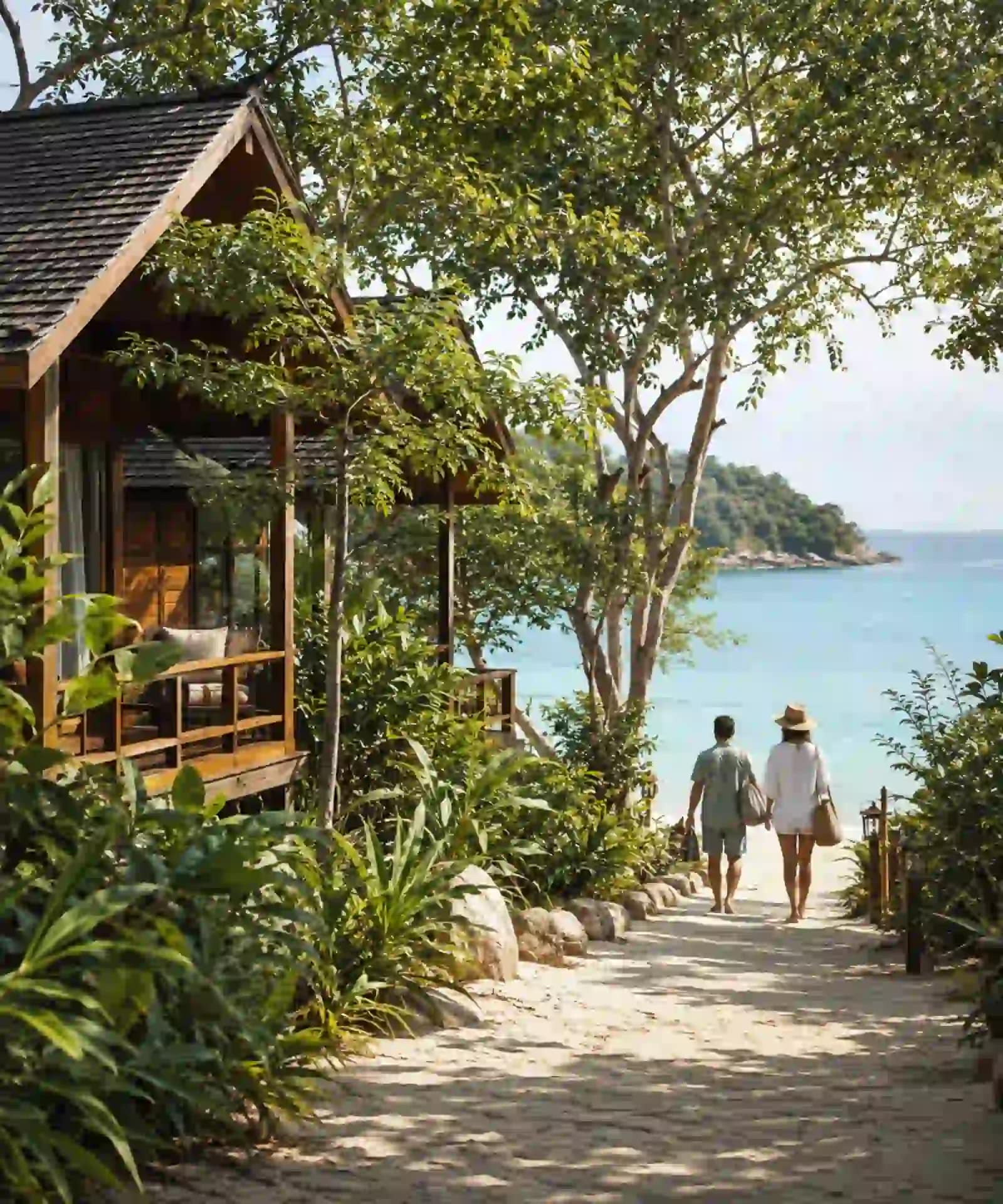
Where you stay shapes the whole holiday more than the hotel star rating. Koh Samet is small, but moving between beaches costs time and money, especially if you rely on songthaews. Choose the atmosphere first, then compare rooms within that area.
Sai Kaew: convenient and lively
Sai Kaew is the island’s longest and most developed beach. It offers a broad choice of restaurants, activities and accommodation, with straightforward access from Na Dan.
Choose it for convenience, a social atmosphere and plenty happening after sunset.
The trade-off is noise and more people, particularly at weekends. Read recent room reviews carefully if early nights matter to you, because beachfront music and fire shows may be audible from nearby properties.
Ao Phai and Tubtim: balanced and relaxed
Ao Phai is close enough to Sai Kaew for an easy change of scene but often feels more laid-back. Tubtim is smaller and suits travellers who prefer a quieter base without staying at the far end of the island.
These areas are good compromises for couples and independent travellers.
Ao Wong Duean: a self-contained bay
Ao Wong Duean has a wide curved beach, several resorts, places to eat and small shops. It works well for families or anyone who wants most daily needs within the bay. You can still visit the north of the island, but you are less likely to wander there on foot.
Ao Prao: sunsets and a quieter resort feel
Ao Prao is on the west coast and is the classic choice for sunset views, a calmer atmosphere and polished resorts. It generally costs more and feels removed from Na Dan’s activity. For a romantic or restful stay, that separation can be a benefit.
The southern bays: greater seclusion
Ao Thian, Ao Lung Dum, Ao Wai and the bays farther south feel increasingly removed from the busiest part of Koh Samet. They appeal to travellers who prioritise beach time and quiet evenings.
Confirm restaurant choices, transport arrangements and boat transfers before booking, because popping into town is less convenient.
Compare Koh Samet hotels and beach resorts on Agoda. Check the map as well as the price, and pay attention to whether breakfast, pier transfers and national park fees are included.
5. The Best Beaches in Koh Samet
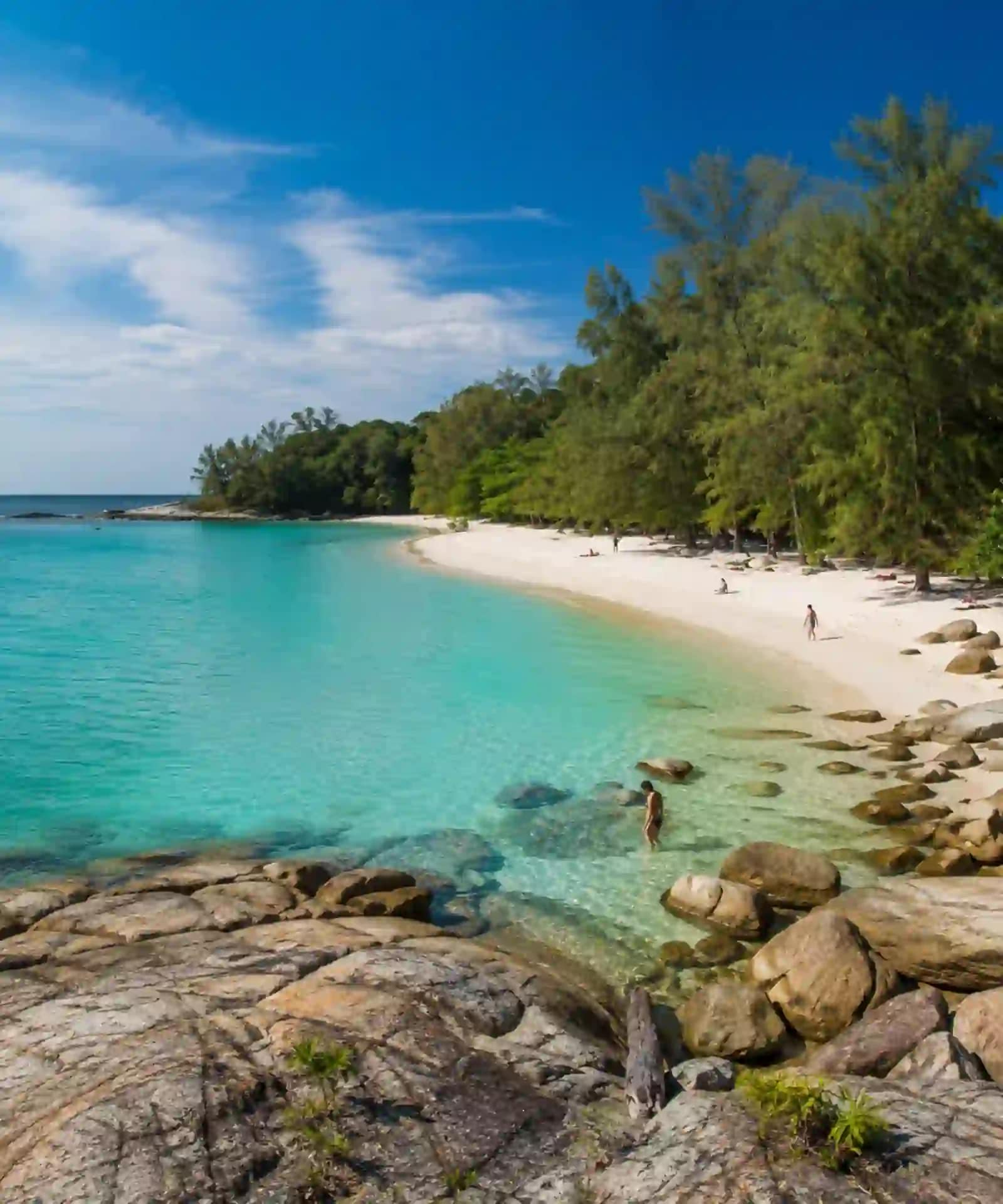
The best beaches in Koh Samet depend on whether you value convenience, calm water, nightlife or seclusion. Most named swimming bays sit along the east coast, while Ao Prao provides the well-known west-coast sunset option.
Best for first-time visitors: Sai Kaew
Sai Kaew is easy to reach, long enough for a proper walk and packed with food and activity choices. It is the safest all-round recommendation for a first visit if you do not mind company. The busiest central stretches can feel commercial, so walk towards the quieter edges before deciding where to settle.
Best balance: Ao Phai
Ao Phai offers attractive sand and a more relaxed mood while remaining close to the action. It suits travellers who want a friendly beach base but do not need to be in the middle of Sai Kaew every evening.
Best for families: Ao Wong Duean
The broad crescent of Ao Wong Duean and its cluster of services make it practical for families. Conditions vary, as on every beach, so check flags and local advice before children enter the water.
Best for sunset: Ao Prao
Ao Prao faces west, making it the obvious choice for sunset. The beach is associated with quieter, more upmarket accommodation, although anyone can enjoy the view respectfully where access permits.
Best for slowing down: Ao Thian, Ao Lung Dum and Ao Wai
These southern beaches reward travellers willing to put distance between themselves and the main town. Expect fewer choices and a slower pace rather than total isolation.
Their appeal is not a checklist of attractions; it is the pleasure of staying beside a small bay with nowhere urgent to be.
Beach-hop selectively rather than trying to tick off every name in one day. Koh Samet’s road is hilly, and repeated transport fares add up. Pick three or four bays that match your style and leave time to swim.
6. Things to Do in Koh Samet Beyond Sunbathing
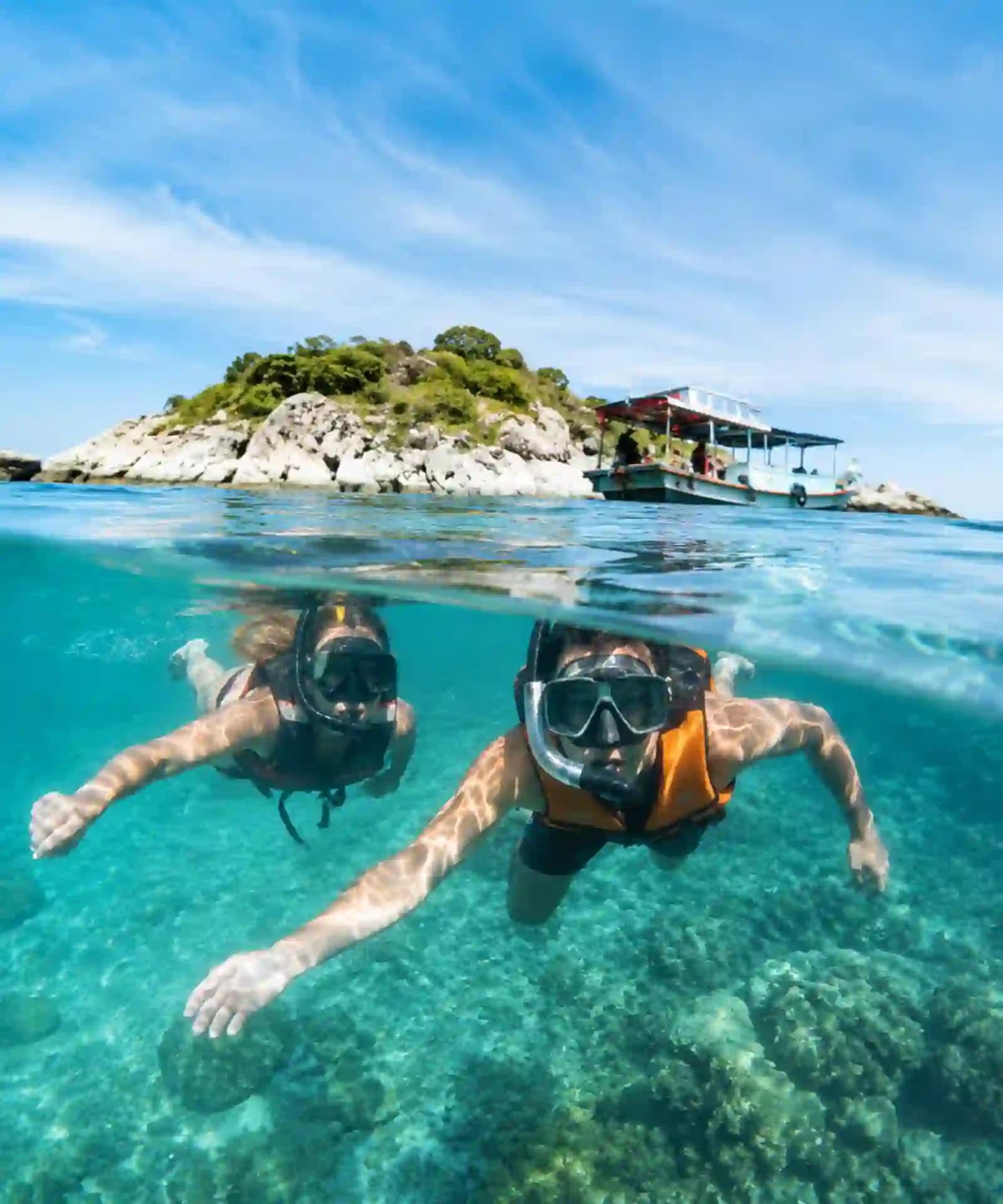
The best things to do in Koh Samet remain closely connected to the sea. You will find enough variety for several days, but the island rewards an unhurried schedule.
Snorkelling and island boat trips
Hotels and local operators sell shared trips that combine snorkelling, smaller islands, viewpoints and beach stops. Ask how many passengers the boat carries, whether equipment and life jackets are included, and what happens if the sea becomes rough.
Some bays allow shore snorkelling when conditions are suitable. Ask locally about currents and visibility before entering, and never stand on coral or chase marine life for a photograph.
Kayaking and paddleboarding
Calm mornings can be ideal for paddling along a sheltered bay. Wear a buoyancy aid, keep within the operator’s advised area and avoid boat lanes. Wind can strengthen quickly, so beginners should not judge conditions by the beach alone.
Watch a sunset
Ao Prao is the straightforward sunset choice, but rocky west-coast viewpoints can also be beautiful. Wear secure footwear, carry a light for the walk back and avoid scrambling over wet rocks after dark.
Visit the temple and island statues
Wat Ko Kaeo Phetchabun near the main settlement offers a short cultural pause from the beach. Dress respectfully by covering shoulders and knees. You may also encounter literary statues connected with Phra Aphai Mani, the famous Thai epic by poet Sunthorn Phu.
Enjoy the evening atmosphere
Beach dinners, fire performances, casual bars and massages fill the evenings around the more developed bays. Keep expectations realistic: Koh Samet offers modest island nightlife rather than enormous clubs. Respect hotel guests and local residents when returning late.
7. Getting Around, Costs and Practical Essentials
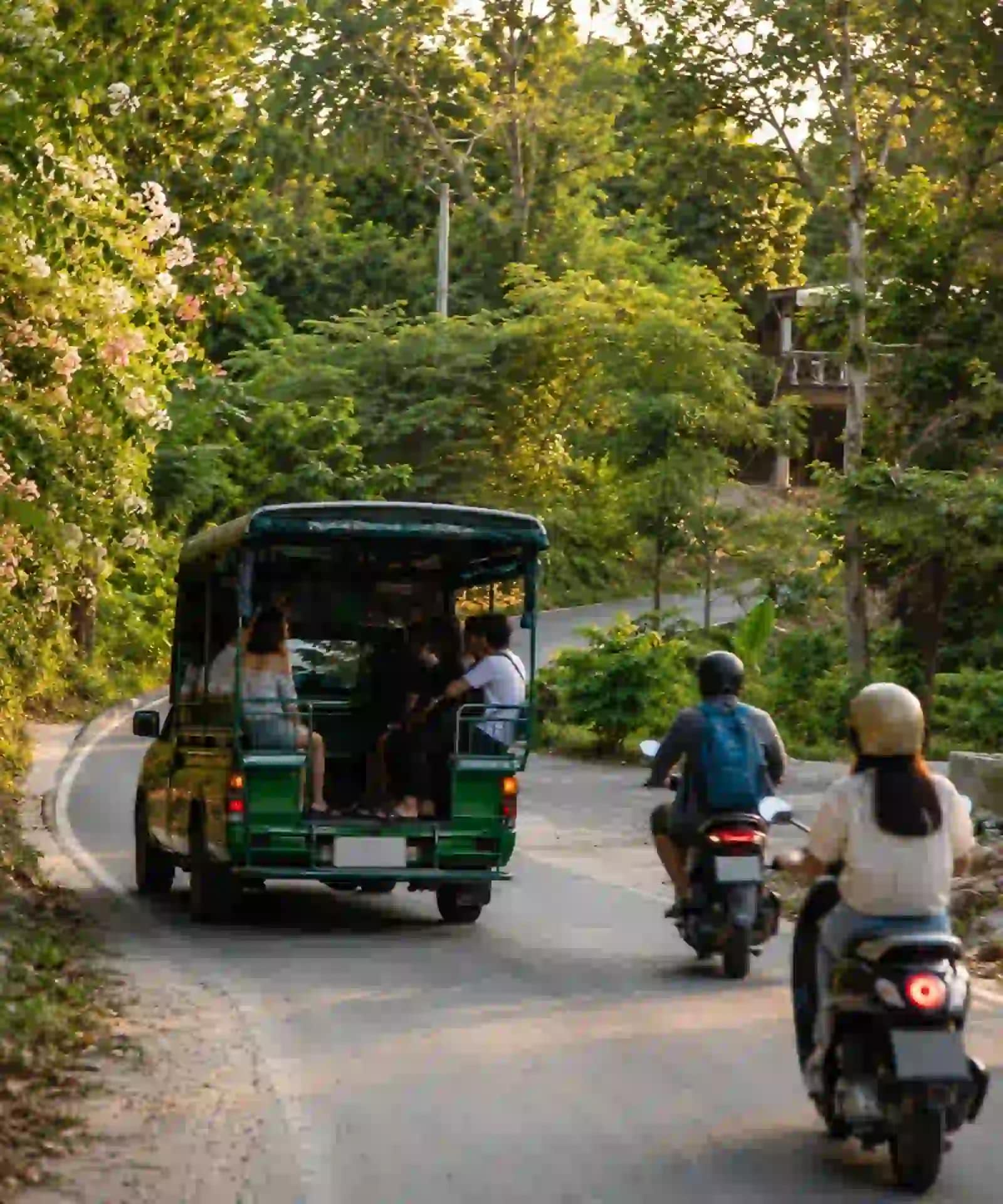
Koh Samet has one main road running along much of its spine, with side roads descending to individual bays. The island looks tiny on a map, but hills, heat and uneven sections make distances feel longer than expected.
Songthaews
Green open-back songthaews provide the main local transport. They work like shared taxis along the island route, although a group may be quoted a whole-vehicle fare.
Prices are normally displayed in key areas; confirm the price before boarding and ask your hotel to arrange a pickup from quieter beaches.
Scooters
Scooters offer freedom but introduce real risk. Thailand drives on the left, Koh Samet is hilly, and speed bumps and sandy surfaces can catch inexperienced riders. Only rent one if you are licensed, insured and confident; inspect the brakes and tyres, photograph existing damage and insist on a proper helmet.
Walking
Walking works around Na Dan, Sai Kaew and neighbouring beaches. Longer inter-beach journeys are less comfortable in midday heat and may lack pavements. Carry water, use sun protection and avoid poorly lit roads after dark.
National park entrance fee
As of August 2026, the Tourism Authority of Thailand lists the national park admission fee at 200 baht for adults and 100 baht for children. It is commonly collected on arrival, so keep cash ready and retain your ticket. Fees and collection arrangements can change; check current official information before travelling.
Daily spending
Koh Samet usually costs more than mainland Rayong because supplies have to cross by boat. A realistic budget should include:
- Boat tickets and land transfers.
- The national park fee.
- Songthaew journeys or scooter hire and fuel.
- Meals, drinks and beach activities.
- A buffer for weather-related transport changes.
ATMs are available around Na Dan and the Sai Kaew area, but cash remains useful. Do not rely on every small restaurant, driver or tour seller accepting cards. Bring essential medication, strong sun protection and mosquito repellent; official tourism advice specifically recommends repellent around dawn and dusk.
Fresh water is limited on the island and must be brought from the mainland or collected from rain. Use it thoughtfully, refill bottles where safe facilities exist and avoid unnecessary plastic. Koh Samet’s national park setting is part of what visitors come to enjoy, so take litter with you and choose operators that handle waste responsibly.
8. A Simple Three-Day Koh Samet Itinerary and Final Thoughts
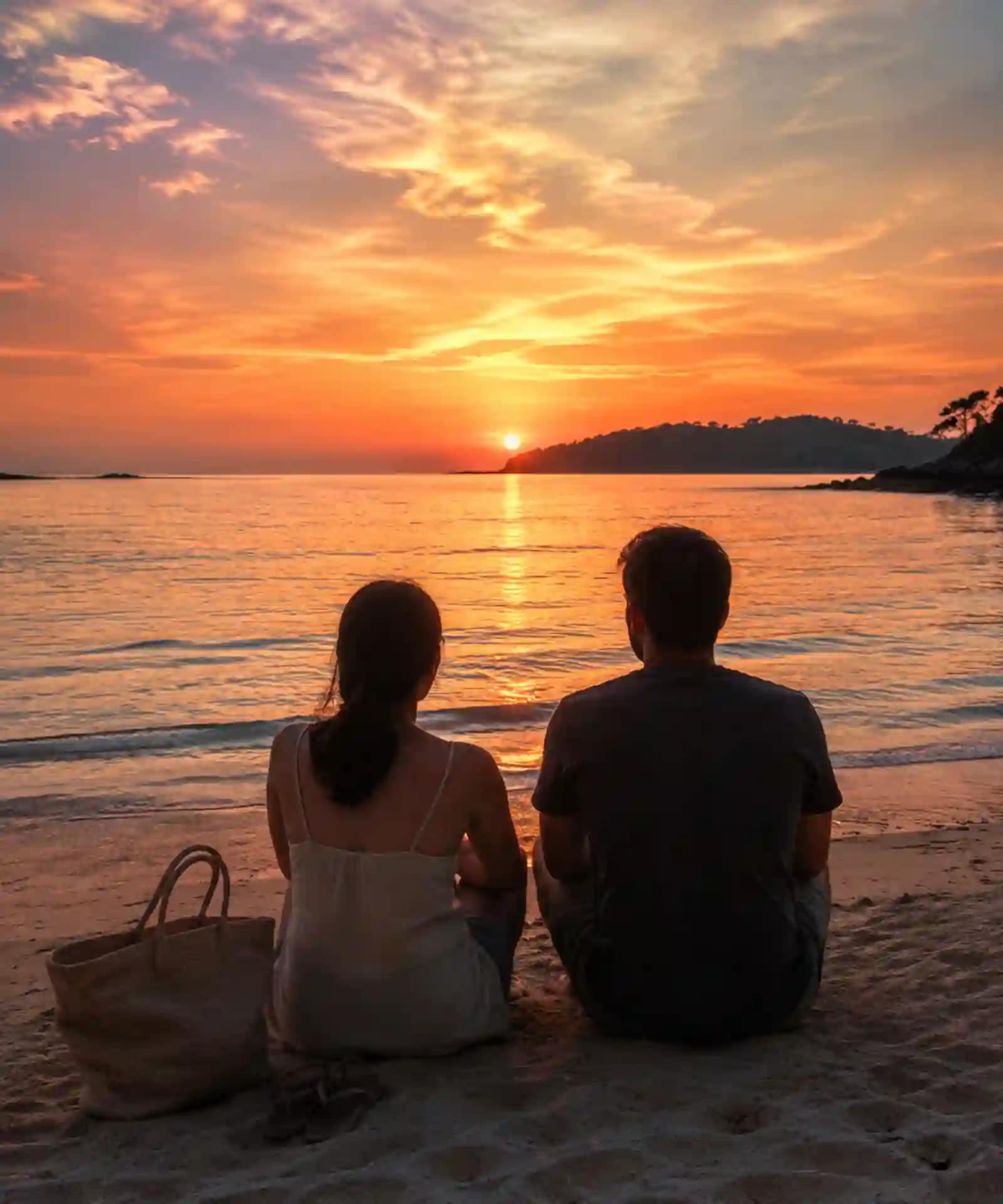
This relaxed plan gives first-time visitors enough variety without turning a beach break into a race.
Day one: arrive and settle in
Travel from Bangkok early enough to reach the island in daylight. Check in, have a late lunch and explore your home beach on foot. If you stay near Na Dan, visit the temple or walk towards Sai Kaew before dinner by the sand.
Day two: beaches and the sea
Book a morning snorkelling or island trip if conditions are good. Alternatively, arrange a songthaew and choose two or three contrasting bays, such as Sai Kaew, Ao Wong Duean and one quieter southern beach. Finish with sunset at Ao Prao or a west-facing viewpoint, allowing time to travel back safely.
Day three: one slow morning
Keep the final morning deliberately simple. Swim before breakfast, enjoy a massage or rent a kayak in calm conditions. Check out with enough time to reach your mainland connection without depending on the last convenient boat.
Final thoughts
Koh Samet succeeds because it is easy to enjoy. It offers genuinely attractive beaches and clear water without asking travellers to commit to a domestic flight or a complicated island transfer. Choose the right bay and travel midweek, and it can feel far more restful than its proximity to Bangkok suggests.
The best advice in this Koh Samet travel guide is to resist overplanning. Three nights, one boat outing, a handful of beaches and a sunset are enough for a memorable trip. Leave space for weather changes, confirm transport prices as you go and treat the national park with care.
Ready to choose your base? See current Koh Samet hotel availability on Agoda.
Further reading and official information
- Tourism Authority of Thailand: Koh Samet
- Tourism Authority of Thailand: Khao Laem Ya–Mu Ko Samet National Park
- Northabroad Koh Samet travel guide
- Thai Island Quest: Ko Samet, a ride down the spine
- Travelfish Koh Samet accommodation guide
- Thailand and Asia: The charm of Koh Samet
You may also like the articles
Bangkok, Pattaya, Phuket, Chiang Mai, The Islands, Travel Tips

☕ Enjoying Thailand Stay Guide?
If you’ve found our guides, itineraries and travel tips helpful, you can support Thailand Stay Guide by buying us a coffee. Every contribution helps cover website costs, create new content, and keep our travel advice free for everyone.

Thank you for your support—it really does make a difference. ❤️
Affiliate & AI Disclosure: This article may contain affiliate links. If you book through one of these links, we may receive a small commission at no extra cost to you. This helps support Thailand Stay Guide and allows us to continue producing independent hotel reviews. AI tools may have been used to assist with research, writing or editing; however, all content is reviewed and approved by us before publication.